 EN
EN

Selecting the right biscuit machine is one of the most consequential decisions a food manufacturer or bakery owner can make. The wrong biscuit machine can lead to inconsistent product quality, unnecessary downtime, and poor return on investment. Whether you are launching a new production line or upgrading an existing one, understanding the critical selection criteria for a biscuit machine will save you time, money, and frustration in the long run.
The biscuit machine market offers a wide range of options, from compact semi-automatic units suitable for small bakeries to fully automated, high-capacity biscuit machine lines designed for industrial-scale output. Knowing exactly what your production goals and operational conditions require is the foundation of a smart biscuit machine purchase. This guide walks you through the essential factors that should drive your decision so you can invest in the biscuit machine that truly fits your needs.
Understanding Your Production Requirements for a Biscuit Machine
Output Capacity and Batch Size
The first and most important factor when choosing a biscuit machine is defining your required output capacity. A biscuit machine designed for small-batch artisan production will not meet the demands of a high-volume commercial bakery. Before you evaluate any biscuit machine model, calculate your daily or hourly production targets clearly. This ensures the biscuit machine you select can handle your current volume while also accommodating reasonable future growth without requiring immediate replacement.
Batch size also determines how frequently the biscuit machine needs to be loaded, cleaned, and reset. A biscuit machine with a larger hopper and continuous feed system will support longer uninterrupted production runs. For operations that run multiple shifts, the biscuit machine must demonstrate reliable performance over extended periods without mechanical degradation. Evaluating the duty cycle of a biscuit machine before purchase is essential for any serious commercial buyer.
Dough Type Compatibility
Not every biscuit machine handles all dough formulations equally well. Hard doughs, soft doughs, and wire-cut doughs each place different mechanical demands on the biscuit machine. A biscuit machine built for soft rotary-molded products may not process stiff cracker doughs effectively. Always verify that the biscuit machine you are considering is engineered to handle the specific dough consistency your recipes require. Mismatched dough type and biscuit machine design is a common cause of poor output quality and excessive wear.
Evaluating Automation Level and Machine Features
Semi-Automatic vs. Fully Automatic Biscuit Machine
The level of automation built into a biscuit machine directly affects labor costs, consistency, and scalability. A semi-automatic biscuit machine requires more manual intervention during shaping, loading, or transfer stages. This type of biscuit machine is often appropriate for smaller operations where labor is available and flexibility between product types is a priority. However, a semi-automatic biscuit machine introduces more variability into the finished product compared to a fully automated alternative.
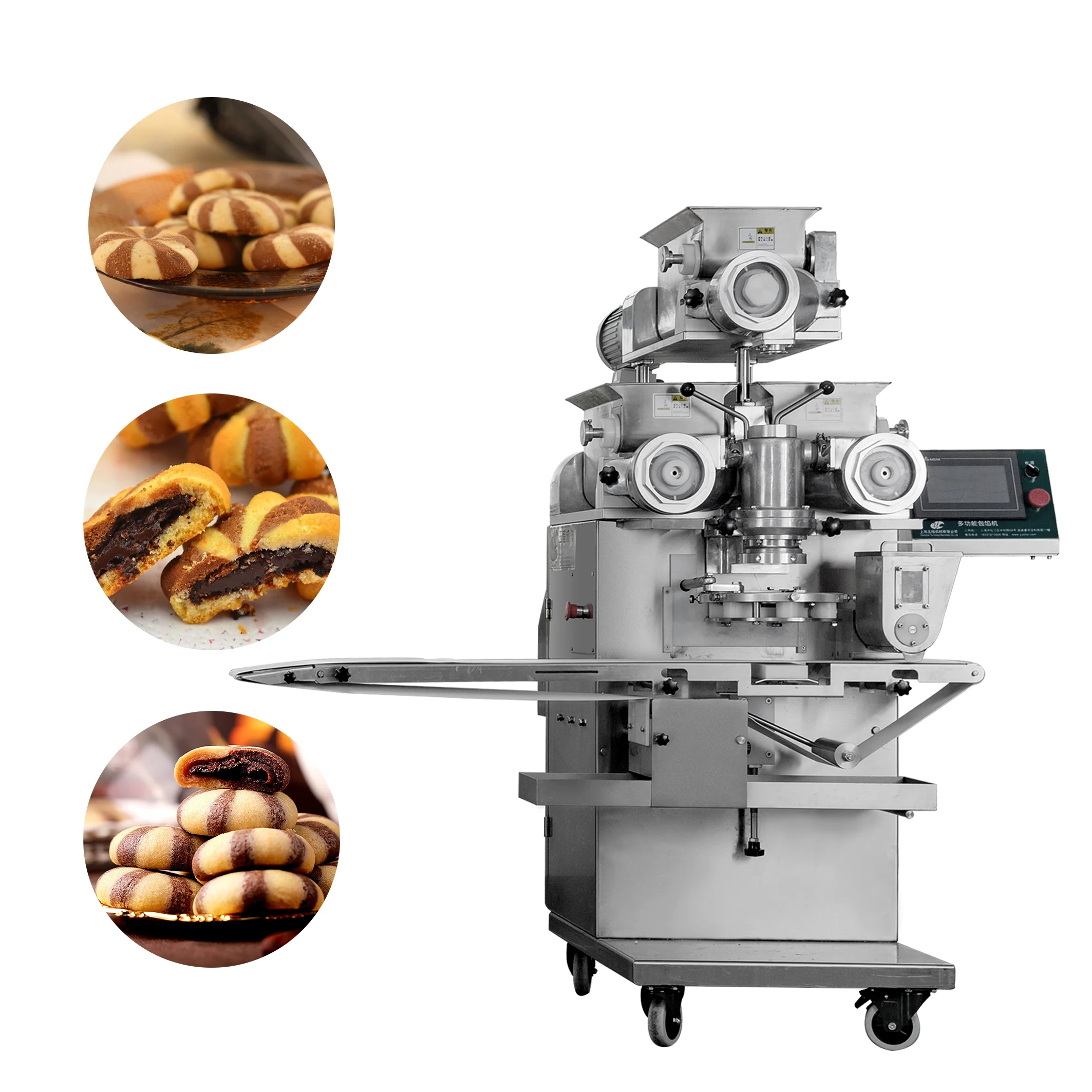
A fully automatic biscuit machine integrates shaping, baking, and cooling into a continuous process with minimal human involvement. This type of biscuit machine delivers higher consistency, faster cycle times, and significantly reduced per-unit labor costs. If your operation demands strict product uniformity and high throughput, a fully automatic biscuit machine is the stronger long-term investment. Some advanced biscuit machine models also support multi-color or multi-layer cookie production, expanding your product portfolio without requiring additional equipment.
Control Systems and Adjustability
Modern biscuit machine designs incorporate programmable logic controllers and digital interfaces that allow operators to adjust speed, pressure, temperature, and forming parameters precisely. A biscuit machine with an intuitive control system reduces the learning curve for new operators and minimizes the risk of production errors. When evaluating a biscuit machine, look for systems that allow recipe storage and quick changeover between product formats. The flexibility of the biscuit machine control system determines how efficiently your line can adapt to changing market demands or seasonal product variations.
Consistent temperature management within the biscuit machine is equally important. An uneven baking zone in a biscuit machine leads to color and texture inconsistencies across the batch. Confirm that the biscuit machine offers independent zone temperature control, which allows your team to fine-tune baking conditions for each specific product formulation. This level of precision is what distinguishes a professional-grade biscuit machine from a basic commodity unit.
Practical Considerations Before Finalizing Your Biscuit Machine Choice
Hygiene Standards and Ease of Cleaning
Food safety regulations require that any biscuit machine used in commercial production meets strict hygiene standards. A biscuit machine with food-grade stainless steel contact surfaces, smooth interior finishes, and accessible cleaning points is far easier to maintain in compliance. The ability to disassemble and clean forming dies and rollers quickly is a critical feature for any biscuit machine operating across multiple product types. Neglecting hygiene requirements when selecting a biscuit machine can lead to contamination risks and costly regulatory issues.
After-Sales Support and Spare Parts Availability
Even the most reliable biscuit machine will eventually require maintenance or replacement parts. Choosing a biscuit machine supplier that offers responsive technical support and readily available spare components protects your production continuity. Before committing to a biscuit machine purchase, confirm that the supplier can provide documentation, training, and timely parts delivery. A biscuit machine with excellent after-sales support is a lower operational risk than a biscuit machine from a supplier with limited service capability. Long-term performance of a biscuit machine depends as much on support infrastructure as it does on initial build quality.
Budget is naturally a factor, but choosing a biscuit machine based on price alone is a short-sighted strategy. The total cost of ownership for a biscuit machine includes energy consumption, maintenance frequency, spare part costs, and labor requirements over the machine's operational lifespan. A biscuit machine that costs more upfront but delivers lower operating costs and greater reliability will outperform a cheaper biscuit machine that demands constant attention and repair. Evaluate the biscuit machine as a long-term operational asset, not just an upfront expense.
FAQ
What capacity biscuit machine do I need for a small bakery?
For a small bakery, a biscuit machine with an output range of 50 to 150 kilograms per hour is typically sufficient. The right biscuit machine capacity depends on your daily sales volume and the number of production shifts you operate. A compact semi-automatic biscuit machine is often the most practical and cost-effective starting point for small-scale operations.
Can one biscuit machine handle multiple product types?
Yes, many modern biscuit machine models are designed with interchangeable forming dies and adjustable settings that allow production of multiple biscuit and cookie formats. A multi-function biscuit machine is particularly useful for bakeries that want to diversify their product range without investing in separate equipment for each type.
How often does a biscuit machine require maintenance?
A well-maintained biscuit machine typically requires routine inspection and lubrication every one to two weeks during active production. More thorough preventive maintenance on the biscuit machine, including belt checks and electrical component review, should be scheduled monthly. Following the manufacturer's maintenance schedule keeps the biscuit machine running efficiently and extends its operational lifespan significantly.


