 EN
EN
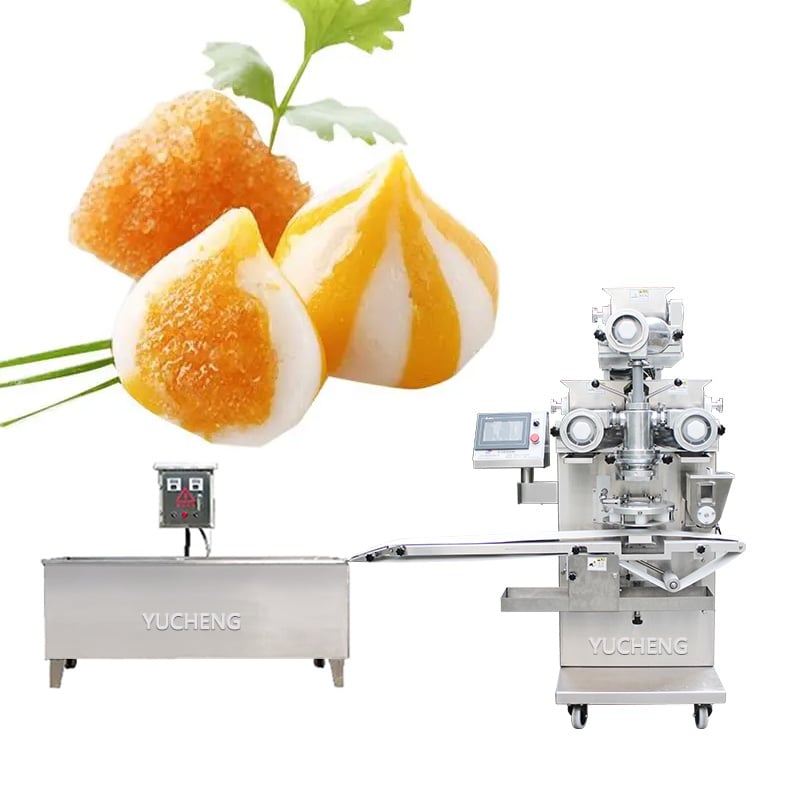
Choosing the right fishball machine is one of the most critical decisions food manufacturers face when scaling production. The wrong choice can lead to bottlenecks, inconsistent product quality, and wasted capital investment. Whether you operate a small food processing facility or manage a large commercial kitchen, selecting a fishball machine that aligns with your menu demands and output targets is essential for maintaining competitiveness and profitability in today's fast-paced food industry.
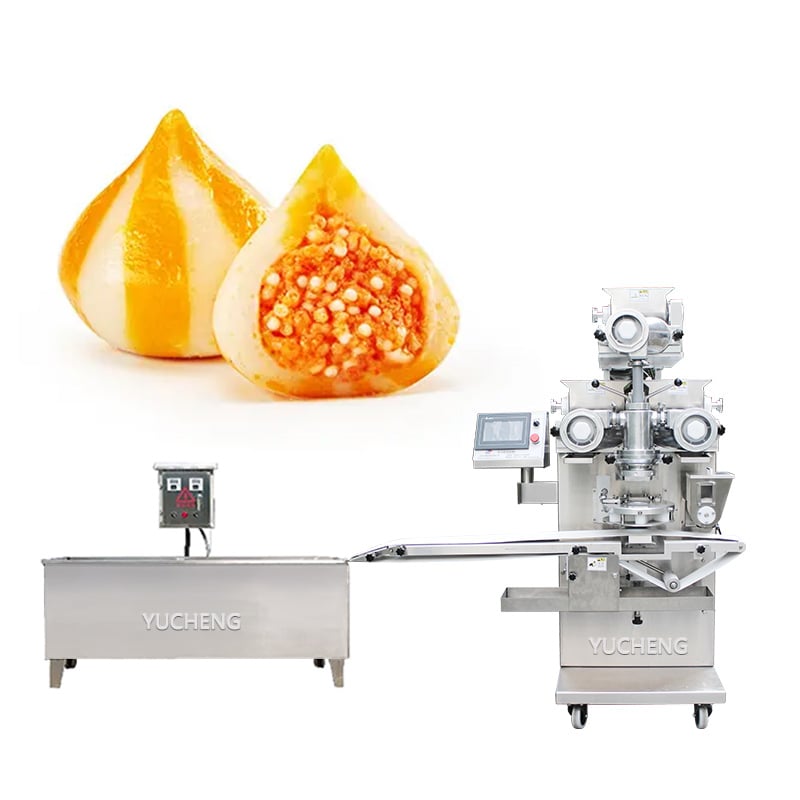
The market offers a wide variety of fishball machines, from semi-automatic models to fully integrated production lines. Each type serves different production scales and business objectives. Understanding your specific requirements before investing in a fishball machine ensures you get maximum return on your equipment investment while meeting customer demand consistently.
Understanding Your Production Capacity Requirements
Assessing Daily Output Targets
The first step in selecting a fishball machine involves calculating your actual daily or monthly production targets. Consider both current demand and projected growth over the next two to three years. A fishball machine's throughput capacity is measured in kilograms or units per hour, and this specification must exceed your peak demand by at least 20 percent to allow for maintenance time and operational flexibility. If your restaurant or food plant currently produces 500 kilograms of fishballs daily, you should select a fishball machine capable of handling 600 kilograms per hour minimum.
Output requirements vary significantly across different food sectors. Dim sum restaurants, Asian food chains, and frozen food manufacturers each have unique volume demands. Dim sum establishments might need a fishball machine producing 100 to 300 balls per hour, while large food manufacturing plants require fishball machines capable of 1000 or more units hourly. Evaluating your specific production schedule—whether you operate year-round or seasonally—helps you avoid oversizing or undersizing your fishball machine investment.
Space and Installation Constraints
Physical space availability in your production facility directly impacts which fishball machine models you can install. Measure your available floor space, ceiling height, and entry points before comparing machines. A compact fishball machine may fit your kitchen layout but lack the output capacity you need, while a high-capacity model might not fit through doorways or require extensive facility modifications. Consulting with the fishball machine supplier about installation requirements prevents costly surprises and production delays.
Installation space also affects workflow efficiency. Your fishball machine should integrate seamlessly into your existing production line without creating bottlenecks. Consider how the fishball machine connects to upstream ingredient preparation and downstream cooling, freezing, or packaging systems. Poor spatial planning forces manual handoffs between equipment, reducing overall output and increasing labor costs.
Evaluating Automation and Control Features
Automation Levels and Labor Efficiency
Modern fishball machines range from semi-automatic to fully automatic models, each affecting labor requirements and consistency. A semi-automatic fishball machine requires operators to feed ingredients and monitor production, while fully automatic systems handle material input, forming, and discharge independently. Fully automatic fishball machines reduce labor dependency and produce more consistent product quality because they eliminate variables introduced by human operation. The labor savings from an automatic fishball machine often justify the higher upfront cost within 12 to 24 months.
Automation features also improve food safety and compliance with hygiene regulations. An enclosed fishball machine prevents contamination and reduces allergen cross-contact compared to open manual systems. Many modern fishball machines include stainless steel construction, tool-free disassembly for cleaning, and validation documentation required by food safety auditors. These automation and design features make your fishball machine investment support both productivity and regulatory compliance simultaneously.
Customization and Product Versatility
Beyond standard fishballs, many manufacturers benefit from a fishball machine that produces multiple protein ball products. Look for machines offering adjustable forming sizes, shapes, and production parameters. A versatile fishball machine lets you expand your menu without additional equipment investment, producing meatballs, energy balls, and specialty protein balls from the same production line. This flexibility allows you to respond to market trends and customer preferences quickly.
Programmable settings on your fishball machine enable precise control over ball diameter, weight, and texture. Different menu items and market segments demand different product specifications. A fishball machine with intuitive controls and preset programs reduces setup time between product changes, minimizing production losses and maximizing throughput efficiency. Operator training requirements also decrease when a fishball machine features user-friendly interfaces and consistent performance across different settings.
Assessing Quality, Support, and Total Cost of Ownership
Material Quality and Build Standards
Investing in a fishball machine means evaluating long-term durability and reliability, not just initial purchase price. Examine the fishball machine's frame construction, forming mechanisms, and wear-part materials. Food-grade stainless steel construction resists corrosion and contaminants. Premium bearing systems and high-quality motors in your fishball machine last longer and require fewer repairs than budget alternatives. The quality differential often determines whether a fishball machine serves you for five years or fifteen.
Certification and compliance standards also reflect build quality. A fishball machine certified to international food safety standards and manufactured under quality management systems indicates consistent production standards. Request documentation of materials, safety testing, and warranty coverage. Reputable manufacturers stand behind their fishball machine products with comprehensive warranties and accessible technical support, protecting your investment and minimizing production disruptions.
Supplier Support and Long-Term Partnership
Your fishball machine supplier relationship extends far beyond the initial sale. Evaluate supplier responsiveness, technical support availability, spare parts inventory, and training programs. A reliable supplier maintains fishball machine spare parts availability, offers competitive pricing for wear components, and responds quickly to technical questions or issues. Poor supplier support transforms your fishball machine from an asset into a liability when production problems arise and expertise is unavailable.
Consider the total cost of ownership rather than purchase price alone. Calculate maintenance costs, energy consumption, labor requirements, and spare parts expenses over five years. A more expensive fishball machine with lower energy consumption, minimal maintenance needs, and readily available spare parts often delivers superior long-term value. Request references from other facilities operating the same fishball machine model to understand real-world performance, reliability, and support quality.
FAQ
What capacity fishball machine do I need for a small restaurant?
Small restaurants typically need a fishball machine producing 50 to 200 units per hour, depending on menu focus and customer traffic. A semi-automatic or compact automatic fishball machine often suits restaurant environments with limited space. Calculate your peak-hour demand, add 30 percent buffer capacity, and select a fishball machine meeting or exceeding that threshold. Consult with your fishball machine supplier about models designed specifically for food service operations.
How often does a fishball machine require maintenance?
Routine maintenance on your fishball machine includes daily cleaning, weekly bearing lubrication checks, and monthly deep cleaning. Full preventive maintenance typically occurs annually or every 500 operating hours, whichever comes first. A well-maintained fishball machine operates reliably for years, while neglected machines deteriorate quickly and require expensive repairs. Your supplier should provide detailed maintenance schedules and training as part of your fishball machine purchase.
Can a fishball machine produce products besides fishballs?
Many modern fishball machines feature adjustable forming dies and settings that produce meatballs, energy balls, protein balls, and other spherical products. Versatile fishball machines let you diversify your menu and respond to market demand without equipment investment. Verify that your selected fishball machine offers the specific product variations you want before purchasing, and confirm that the fishball machine forming system accommodates your ingredient types and desired specifications.


