 EN
EN

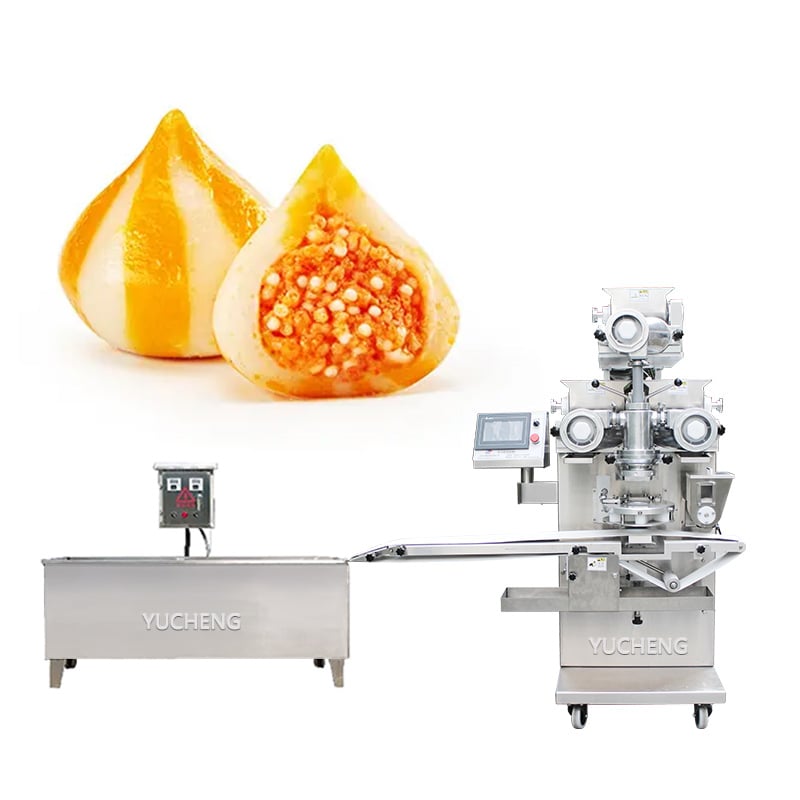
Consistency is the foundation of any successful commercial kitchen operation. Whether you run a busy restaurant, catering service, or food production facility, delivering uniform products every single time builds customer trust and strengthens your brand reputation. A fishball machine represents one of the most effective solutions for achieving this level of precision in seafood and protein-based product manufacturing. This automated equipment transforms how commercial kitchens handle the production of fishballs and similar spherical food items, eliminating manual variability while dramatically increasing output capacity.
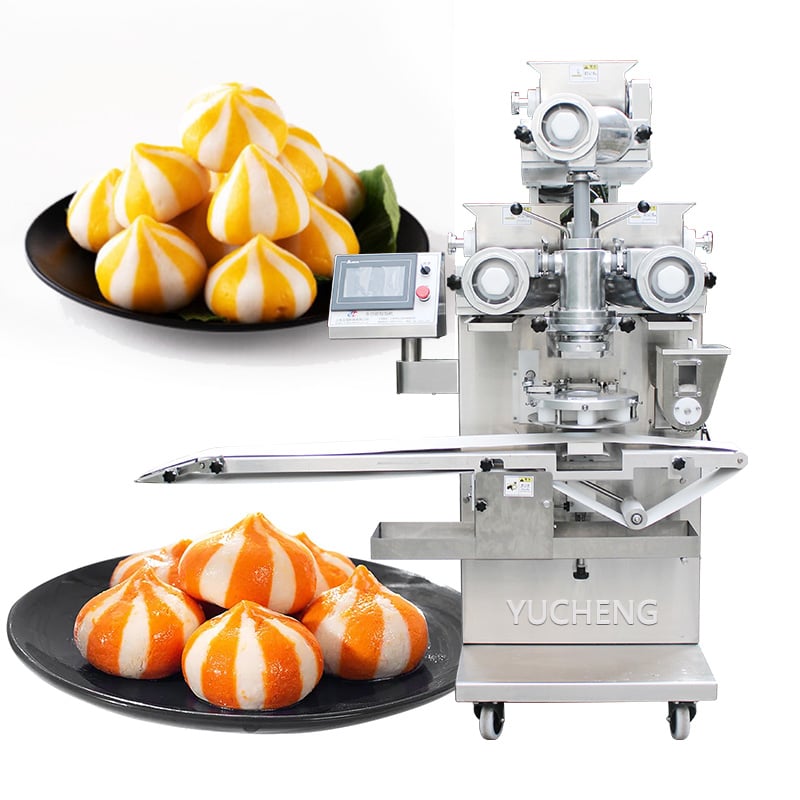
The challenge of maintaining consistency in commercial kitchens extends far beyond simple aesthetics. When fishballs vary in size, texture, or cooking time, you face customer complaints, waste, longer preparation cycles, and unpredictable food costs. A professional fishball machine addresses each of these pain points by standardizing the formation process, ensuring every single product meets exact specifications. Understanding how this equipment works and why it matters for your operation is essential for any kitchen manager seeking to optimize production quality and profitability.
How a Fishball Machine Ensures Uniform Product Quality
Precision Shaping and Portion Control
The core function of a fishball machine is to shape fish paste or similar mixtures into perfectly spherical forms of identical size. Unlike hand-formed products, which inevitably vary due to human factors like hand pressure, moisture on fingers, or fatigue, an automated fishball machine applies consistent mechanical pressure every single time. The machine deposits exactly the same amount of mixture into each spherical mold, ensuring portion uniformity across entire production runs. This standardization directly translates to predictable cooking times, uniform flavor distribution, and professional presentation that customers recognize and appreciate.
Texture and Structural Consistency
Achieving the ideal internal texture in a fishball requires balancing several variables simultaneously: mixture moisture content, compression force, and timing. A quality fishball machine maintains precise control over each variable, creating fishballs with consistent density and mouthfeel from batch to batch. When texture varies, so does customer perception of quality. By using an automated fishball machine, commercial kitchens eliminate the guesswork and ensure every fishball has the desired springy, firm, or tender characteristics specified in your recipe or customer contract. This consistency builds customer loyalty and reduces product rejections or returns.
Production Efficiency and Volume Benefits
Dramatically Increased Output Capacity
Manual fishball production is labor-intensive and time-consuming. A trained worker might hand-form 50 to 100 fishballs per hour, depending on experience and fatigue levels. By contrast, a commercial fishball machine can produce anywhere from 500 to several thousand units per hour, depending on the specific model and mixture type. This massive productivity gain allows commercial kitchens to meet large orders, scale operations without proportionally increasing labor costs, and respond quickly to demand spikes. For catering companies, food manufacturers, or restaurants experiencing growth, investing in a fishball machine becomes economically essential to remain competitive and profitable.
Reduced Labor Strain and Error Rates
Manual food shaping is physically demanding work that often leads to repetitive strain injuries, declining quality as workers fatigue, and high staff turnover. A fishball machine eliminates these human factors by automating the most repetitive and strenuous part of the process. Kitchen staff can then focus on quality control, mixture preparation, and post-production tasks like cooking and packaging. Fewer human hands touching the product also reduces contamination risks and improves food safety compliance. This shift from manual to automated production creates a safer, more efficient workflow that protects both your workforce and your reputation.
Long-Term Business and Operational Value
Cost Control and Material Efficiency
When fishballs vary in weight or size, you inevitably experience material waste and inconsistent product costs. Some units may be too large, consuming more fish paste and increasing ingredient expenses, while smaller units may not meet customer expectations. An automated fishball machine minimizes waste by ensuring every unit uses precisely the specified amount of mixture. Over the course of a month or year, this precision translates into significant cost savings on raw materials. Additionally, consistent sizing reduces cooking waste, as uniform products cook evenly without burning or undercooking edges. For food manufacturers operating on tight margins, the fishball machine investment pays for itself through ingredient efficiency alone.
Brand Consistency and Customer Retention
In competitive food markets, customers remember the reliable, consistent experience more than occasional premium moments. A fishball machine enables your commercial kitchen to deliver exactly the same product every time—same size, same texture, same cooking behavior, same taste. This predictability builds customer confidence and repeat business. Restaurants and food service operations can confidently promise menu consistency across all locations and service dates. Whether you supply fishballs to retailers, restaurants, or direct consumers, the consistency enabled by a fishball machine becomes a tangible competitive advantage that differentiates your brand and justifies premium pricing.
Integration Into Modern Commercial Kitchen Workflows
Seamless Production Line Design
A modern fishball machine integrates smoothly into multi-stage production workflows. Raw ingredients flow into the machine, formed products exit onto collection trays or conveyor systems, and output feeds directly into cooking stations. This streamlined design eliminates bottlenecks and dead time between production steps. Many commercial kitchens position the fishball machine at the heart of their workflow, allowing other tasks like cooking, seasoning, and packaging to happen simultaneously. The result is a faster overall production cycle that maximizes kitchen throughput without requiring constant human intervention or supervision.
Adaptability to Menu Variations
Many fishball machine models offer adjustable settings for sphere size, compression force, and production speed. This flexibility allows commercial kitchens to produce different product sizes using the same equipment—from small appetizer fishballs to larger main-course portions. Some advanced models even work with different protein and vegetable mixtures, enabling you to produce fishballs alongside related products like gulab jamun, energy balls, or other spherical items. This versatility means your investment in a fishball machine can serve multiple product lines and menu expansions, maximizing return on investment and operational flexibility.
FAQ
Can a fishball machine handle different types of fish paste or mixture consistency?
Yes, most commercial fishball machine models are designed to work with various protein mixtures, provided they fall within the machine's specified consistency range. The mixture should be neither too dry nor too wet. You may need to adjust water content or binder ratios in your recipe to match your fishball machine's optimal operating range. Contact your equipment supplier to confirm compatibility with your specific mixture formulation before purchasing.
What maintenance does a fishball machine require to maintain consistency?
Regular cleaning and inspection are essential for keeping a fishball machine operating at peak performance. Daily cleaning prevents mixture buildup on forming molds and ensures consistent mold contact. Periodic maintenance checks should verify mold integrity, compression mechanisms, and motor function. Worn molds or damaged components cause size variation and product defects. Following the manufacturer's maintenance schedule and training staff on proper cleaning procedures will maximize your fishball machine's lifespan and preserve its consistency benefits.
How quickly can a new fishball machine improve our production metrics?
Most commercial kitchens experience measurable improvements within the first week of deploying a fishball machine. Output volume typically increases immediately, while product waste and labor time decrease noticeably. Full realization of consistency and cost benefits takes longer, usually 2–4 weeks, as your team develops proficiency in mixture preparation and machine optimization. The exact timeline depends on your team's experience with automated equipment and how quickly your current workflow adapts to the new fishball machine placement.


