 EN
EN

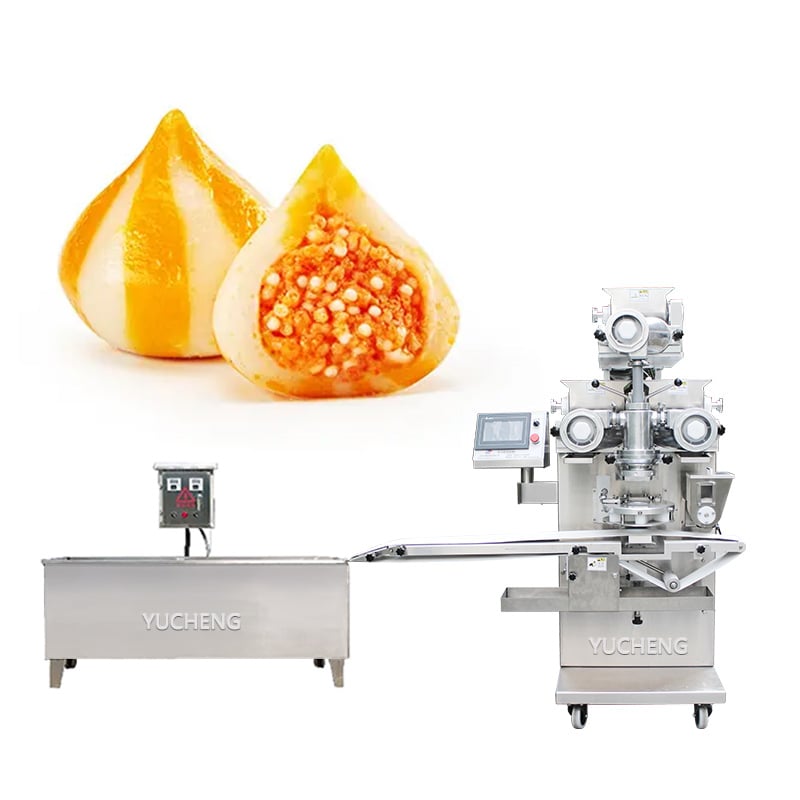
A fishball machine designed for high-volume food production requires specific engineering features that balance speed, consistency, and product quality. In commercial food manufacturing, selecting the right fishball machine means understanding how automation directly impacts your production throughput, labor costs, and final product uniformity. This guide explores the essential characteristics that define an ideal fishball machine for demanding industrial environments.
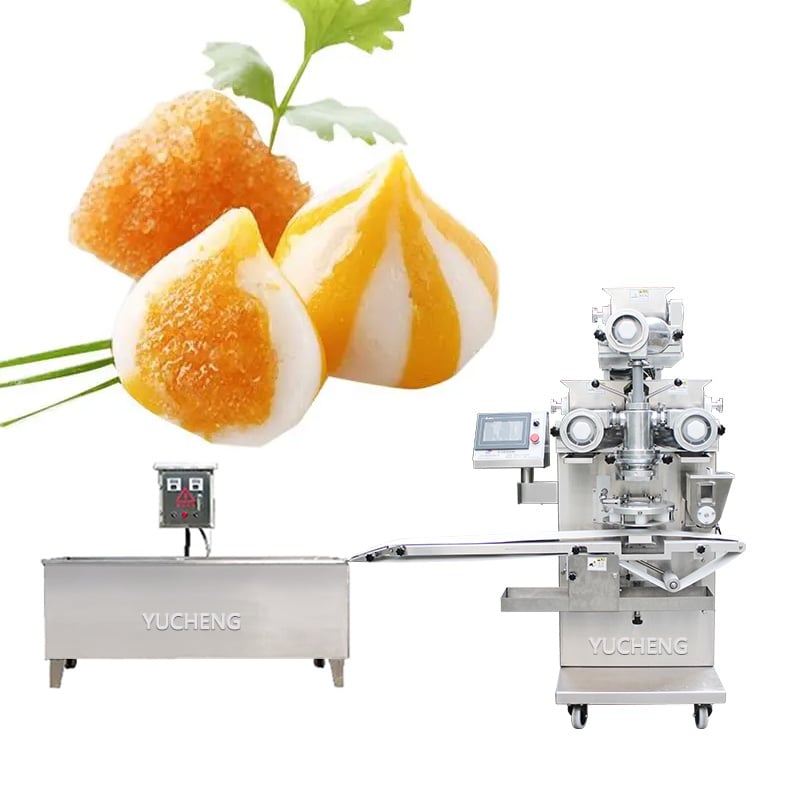
Modern food production facilities depend on equipment that can sustain continuous operation while maintaining strict quality standards. A premium fishball machine serves as the backbone of efficient seafood processing lines, handling raw materials and transforming them into standardized products at scale. Understanding what distinguishes a high-performance fishball machine from standard equipment helps facility managers make informed capital investment decisions.
Production Capacity and Processing Speed
Throughput Requirements for Industrial Scale
High-volume operations demand a fishball machine capable of processing hundreds of kilograms per hour without compromising texture or structural integrity. A truly ideal fishball machine incorporates variable speed controls that allow operators to adjust processing rates based on raw material quality and desired product specifications. This flexibility ensures that your fishball machine can scale production up or down while maintaining consistency, a critical advantage when demand fluctuates seasonally or when managing multiple product formulations.
Processing speed directly correlates with production cost per unit, making the throughput capability of a fishball machine a primary purchasing criterion. Equipment that achieves 500 to 1000 pieces per hour becomes economically viable for facilities processing tens of thousands of units daily. The motor power, mixing chamber volume, and extrusion mechanism all contribute to whether your fishball machine meets aggressive production targets while maintaining product quality.
Consistency in Batch Processing
An excellent fishball machine delivers uniform ball size, density, and texture across every batch, reducing waste and customer complaints. Precise mixing action within the chamber ensures even distribution of binders, seasonings, and additives before extrusion occurs. This consistency transforms a standard fishball machine into a competitive advantage, as customers recognize and reward products with reliable sensory characteristics.
Automated Features and Control Systems
Precision Extrusion and Mold Technology
The extrusion system represents the heart of any capable fishball machine, determining whether individual balls emerge at uniform weights and sizes. A refined fishball machine employs programmable extrusion cycles that can produce balls ranging from 15 to 50 grams, accommodating different product lines and market segments. Digital controls on a modern fishball machine allow operators to store multiple recipes, recall them instantly, and maintain accuracy within ±2% variance, critical for food safety compliance and customer satisfaction.
The mold cavity design within your fishball machine directly influences production speed and product appearance. Stainless steel molds with anti-stick coatings prevent material buildup, ensuring consistent release and minimizing downtime. A high-performance fishball machine features quick-change mold systems that reduce setup time between product runs, maximizing utilization rates across a facility's operating schedule.
Temperature and Humidity Controls
Raw seafood materials respond sensitively to temperature fluctuations, making thermal management essential in a professional-grade fishball machine. Integrated cooling systems within the mixing chamber prevent material degradation during processing, preserving the protein structure that gives fishballs their characteristic springy texture. An ideal fishball machine maintains internal temperatures between 2 and 8 degrees Celsius even during extended production runs, preventing spoilage and ensuring food safety compliance.
Durability and Maintenance Requirements
Material Construction and Corrosion Resistance
Continuous exposure to moisture, salt, and acidic fish components demands that every component of a durable fishball machine resist corrosion and degradation. Food-grade stainless steel construction throughout the mixing chamber, extrusion barrel, and all contact surfaces ensures that your fishball machine maintains hygiene standards while resisting rust formation. Corrosion resistance becomes financially significant over a fishball machine's 5 to 10-year operational lifespan, as poor material choices necessitate premature replacement of critical parts.
Sealed bearings and waterproof motor enclosures prevent moisture infiltration that would cause mechanical failure in poorly designed equipment. An investment-grade fishball machine incorporates these protective measures from the factory, reducing unexpected downtime and maintenance labor costs that accumulate in facilities running multiple production shifts daily.
Ease of Cleaning and Sanitation
Regulatory compliance and product safety require that your fishball machine be completely disassembled and cleaned thoroughly between production runs. Ideal fishball machine design features tool-free quick disconnects for the mixing paddle, extrusion screw, and mold assembly, reducing cleaning time from hours to minutes. Removable interior components ensure that every surface contacts cleaning solutions and sanitizers, eliminating bacterial harboring spots that compromise food safety.
FAQ
What production volume does a high-capacity fishball machine typically achieve?
A high-capacity fishball machine generally produces between 500 and 1500 pieces per hour, depending on ball size and material consistency. Industrial facilities often operate two or three units simultaneously to reach daily targets of 10,000 to 50,000 units. Your specific fishball machine selection should match your facility's demand projections and growth trajectory.
How often does a commercial fishball machine require maintenance?
A well-maintained fishball machine requires daily cleaning after production, weekly bearing lubrication checks, and monthly deep maintenance. The frequency depends on operational hours and material type; a fishball machine processing 16 hours daily needs more frequent attention than one running 8-hour shifts. Manufacturer guidelines specific to your fishball machine model should always guide maintenance schedules.
Can a single fishball machine handle multiple product formulations?
Yes, a modern fishball machine with programmable controls can switch between different recipes by adjusting mixing speed, processing time, and extrusion patterns. This versatility makes a flexible fishball machine valuable for facilities producing various seafood products, from traditional fishballs to specialty protein variations. Changeover typically requires 15 to 30 minutes of recalibration on an advanced fishball machine.


