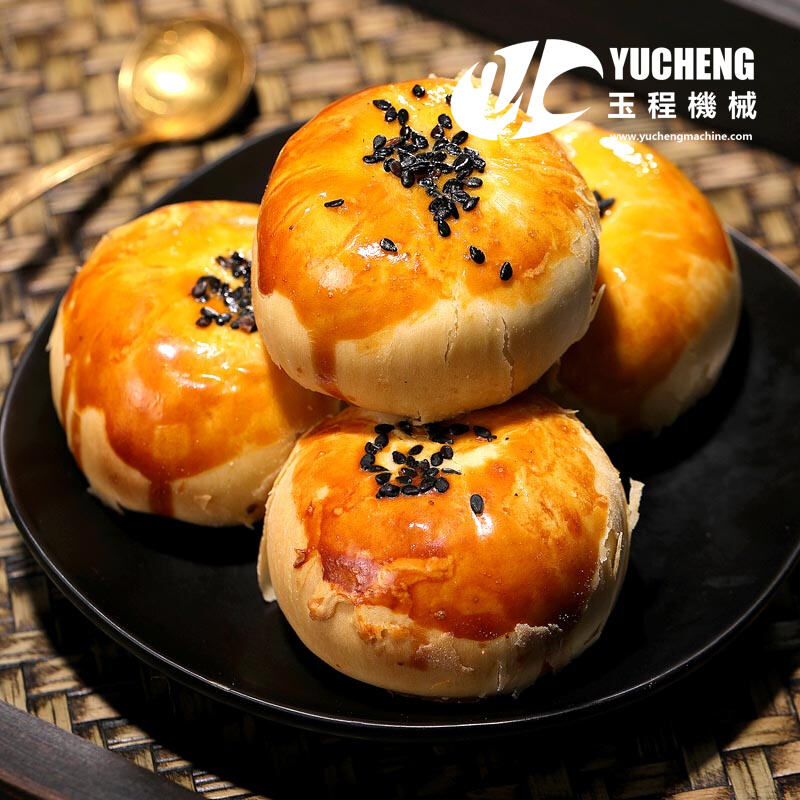
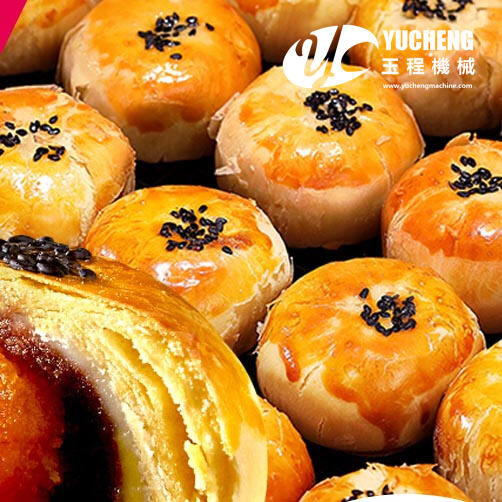
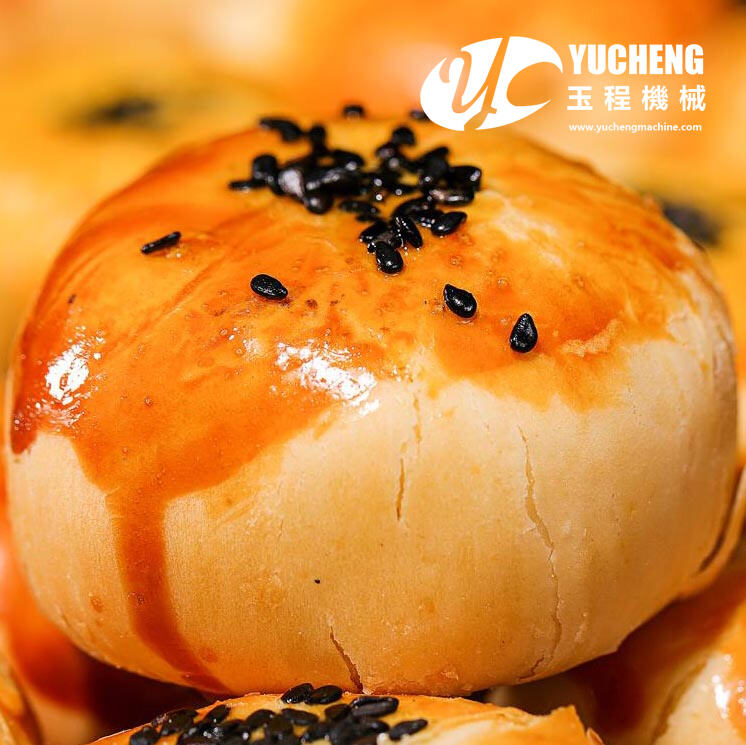
Professional Pastry Cake Making Machine - Advanced Commercial Baking Equipment for Quality Production

Get a Free Quote

Our representative will contact you soon.
Email
Name
Company Name
Message
0/1000

pastry cake making machine

The pastry cake making machine represents a revolutionary advancement in commercial baking technology, designed to streamline the production process while maintaining exceptional quality standards. This sophisticated equipment automates the entire cake manufacturing process, from ingredient mixing to final product formatting, making it an indispensable tool for bakeries, confectioneries, and food production facilities worldwide. Modern pastry cake making machines incorporate cutting-edge technology that ensures consistent results, reduces labor costs, and significantly increases production capacity. The machine operates through a series of integrated modules that handle different stages of cake production. The initial mixing chamber combines ingredients using precision-controlled mechanisms that ensure optimal texture and consistency. Temperature regulation systems maintain ideal conditions throughout the process, while automated dispensing units measure and distribute ingredients with remarkable accuracy. The forming section shapes the batter into desired cake formats, supporting various sizes and configurations to meet diverse market demands. Advanced pastry cake making machines feature programmable control panels that allow operators to customize recipes, adjust production parameters, and monitor real-time performance metrics. Safety mechanisms include emergency stop functions, protective guards, and automated cleaning cycles that maintain hygienic standards. The machines are constructed from food-grade stainless steel components that resist corrosion and facilitate easy maintenance. Production applications span multiple sectors, including commercial bakeries producing high-volume orders, specialty cake shops creating custom products, industrial food manufacturers supplying retail chains, and catering operations serving large events. The versatility of these machines enables production of various cake types, from traditional sponge cakes to specialized dietary alternatives, accommodating gluten-free, sugar-free, and organic ingredient formulations. Integration capabilities allow seamless connection with packaging systems, inventory management software, and quality control monitoring equipment, creating comprehensive production lines that maximize efficiency and profitability.

New Product Recommendations

Investing in a pastry cake making machine delivers substantial benefits that transform business operations and boost profitability. Production efficiency increases dramatically, with automated systems capable of producing hundreds of cakes per hour compared to manual methods that yield significantly fewer units. This enhanced throughput allows businesses to fulfill larger orders, expand market reach, and capitalize on peak demand periods without compromising quality. Labor cost reduction represents another significant advantage, as the machine requires minimal operator intervention once programmed and calibrated. Staff members can focus on higher-value activities such as product development, customer service, and business growth initiatives rather than repetitive manual tasks. Consistency stands as a hallmark benefit, with the pastry cake making machine delivering uniform products that meet exact specifications every time. This reliability eliminates variations in taste, texture, and appearance that often occur with manual production, ensuring customer satisfaction and brand reputation protection. Quality control improves through precise ingredient measurement and controlled processing conditions. The machine maintains optimal mixing speeds, temperatures, and timing parameters that human operators might struggle to replicate consistently. This precision results in superior cake texture, enhanced flavor development, and extended shelf life. Waste reduction occurs through accurate portion control and minimized ingredient spillage. The machine calculates exact requirements for each production run, preventing overuse of expensive ingredients and reducing disposal costs. Energy efficiency features help control operational expenses, with modern machines designed to optimize power consumption while maintaining peak performance levels. Scalability becomes achievable as businesses grow, with the ability to increase production capacity by running multiple cycles or upgrading to higher-capacity models. The pastry cake making machine accommodates diverse product lines, enabling businesses to diversify offerings without investing in separate equipment for each cake variety. Maintenance requirements remain minimal due to robust construction and self-diagnostic features that alert operators to potential issues before they become costly problems. Return on investment typically materializes within months as increased production capacity, reduced labor costs, and improved product consistency generate higher revenues and profit margins. Competitive advantages emerge from the ability to offer consistent quality, competitive pricing, and reliable delivery schedules that manual production methods cannot match effectively.

Tips And Tricks

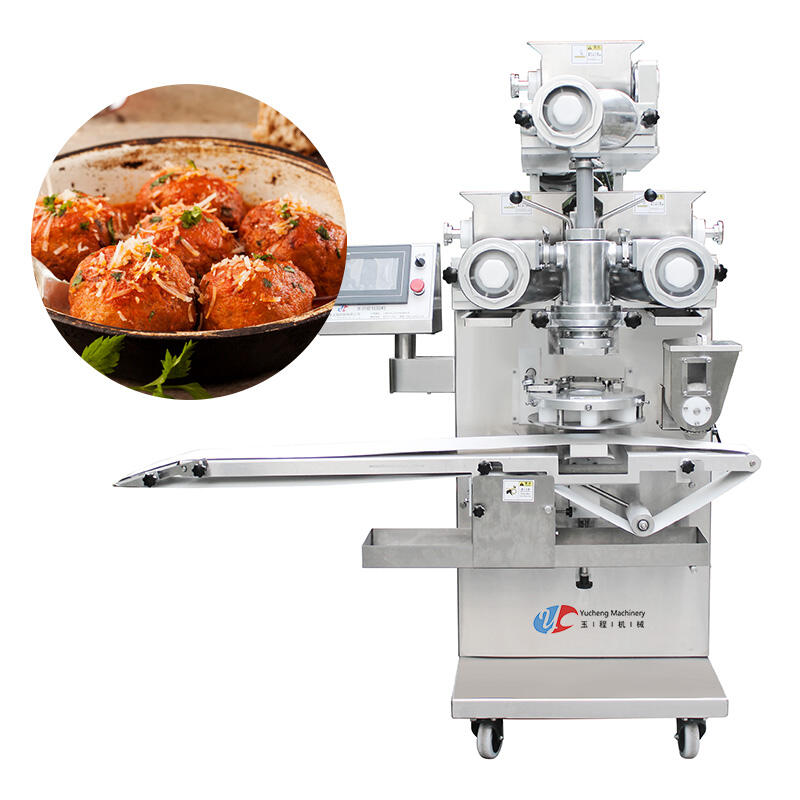
Top Benefits of Adding a Meatball Machine to Your Food Business

21

Oct

Top Benefits of Adding a Meatball Machine to Your Food Business

Transform Your Food Operations with Advanced Meatball Production The food service industry is constantly evolving, and staying competitive means embracing innovative solutions that enhance efficiency and product quality. A meatball machine represents...
View More
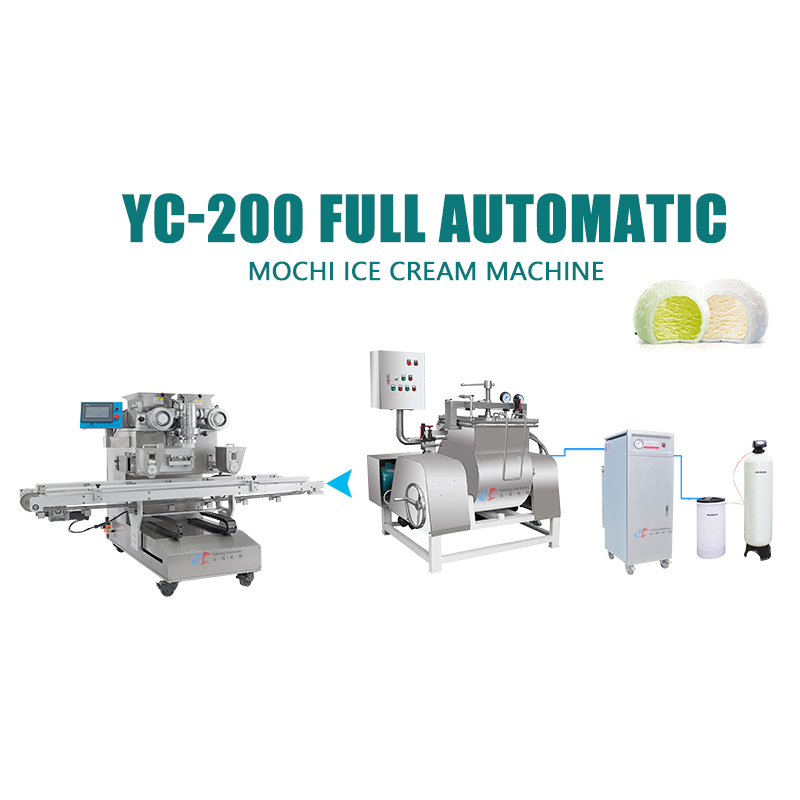
How does a mochi ice cream machine work in 2025?

23

Dec

How does a mochi ice cream machine work in 2025?

The modern mochi ice cream machine has revolutionized dessert production in commercial kitchens worldwide, transforming a traditionally labor-intensive process into an efficient automated system. These sophisticated machines combine precision enginee...
View More
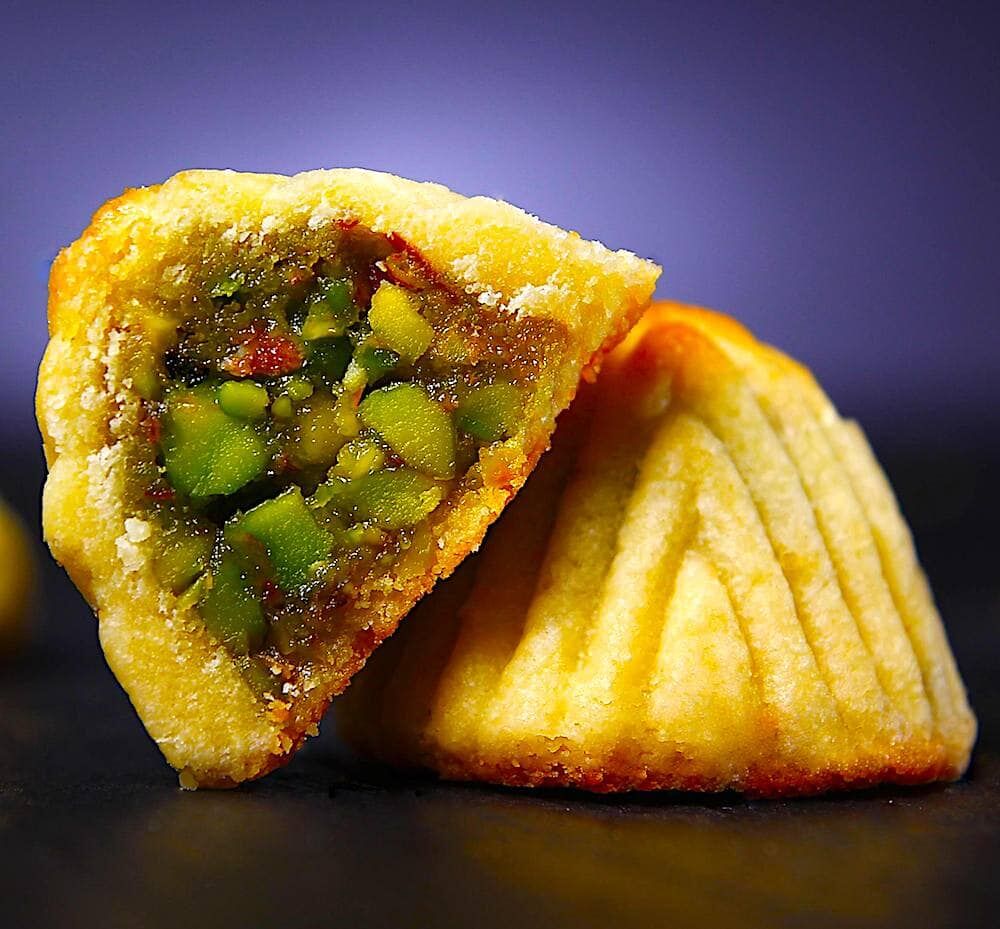
How to select the right maamoul making machine in 2025?

23

Dec

How to select the right maamoul making machine in 2025?

The traditional art of maamoul production has undergone a remarkable transformation in recent years, with commercial bakeries and food manufacturers increasingly turning to automated solutions. A maamoul making machine represents the perfect fusion o...
View More
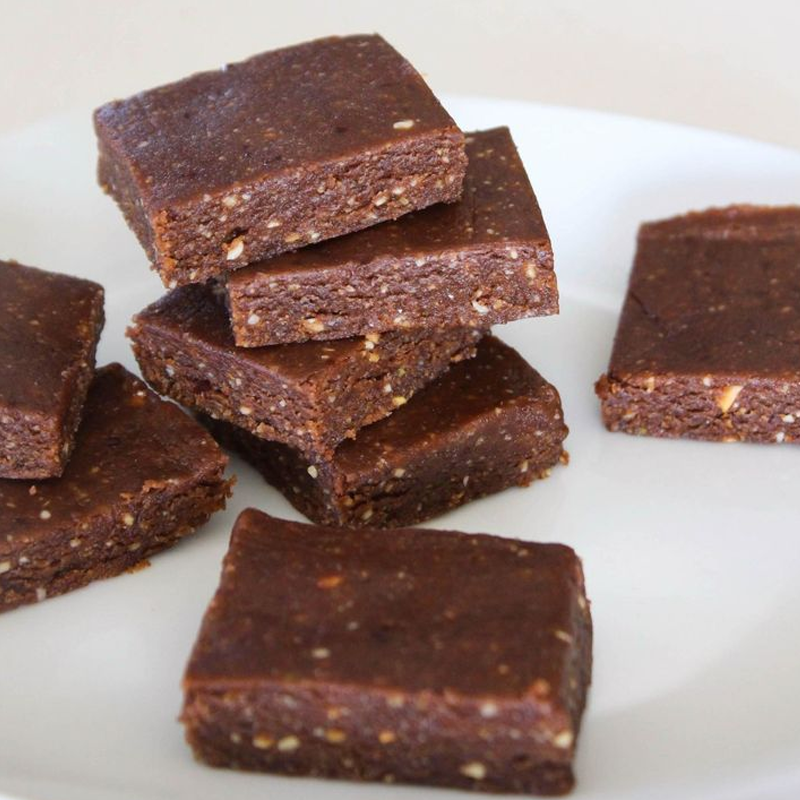
How does a date bar machine actually work in 2025?

21

Jan

How does a date bar machine actually work in 2025?

The modern food manufacturing landscape has witnessed remarkable technological advancements, particularly in automated equipment designed for healthy snack production. Understanding how a date bar machine operates in 2025 requires examining sophistic...
View More

Get a Free Quote

Our representative will contact you soon.
Email
Name
Company Name
Message
0/1000

pastry cake making machine

Advanced Automation Technology

Advanced Automation Technology

The pastry cake making machine incorporates state-of-the-art automation technology that revolutionizes traditional baking processes through intelligent control systems and precision engineering. This sophisticated automation eliminates human error variables while maintaining the artisanal quality that customers expect from premium baked goods. The machine features programmable logic controllers that manage every aspect of production, from ingredient dispensing to final product formation, ensuring consistent results regardless of operator experience level. Touch-screen interfaces provide intuitive operation, allowing staff to easily adjust recipes, monitor production status, and access detailed performance analytics. The automation system includes multiple sensors that continuously monitor critical parameters such as mixing speed, temperature, humidity, and ingredient flow rates. These sensors feed real-time data to the central processing unit, which makes instant adjustments to maintain optimal conditions throughout the production cycle. Automated ingredient handling systems eliminate manual measuring errors by precisely dispensing each component according to pre-programmed recipes. This precision extends to liquid ingredients, dry components, and specialized additives, ensuring perfect ratios every time. The mixing automation adapts to different cake formulations, adjusting speed and duration based on ingredient characteristics and desired texture outcomes. Cleaning automation reduces downtime between production runs through programmable wash cycles that sanitize all product-contact surfaces without manual intervention. Quality assurance automation includes weight verification systems that check each finished cake against predetermined specifications, automatically rejecting products that fall outside acceptable parameters. The technology platform supports remote monitoring capabilities, enabling management to oversee production from off-site locations and receive instant alerts about operational issues. Integration with enterprise resource planning systems streamlines inventory management, production scheduling, and cost tracking. Predictive maintenance features analyze machine performance patterns to anticipate service needs, preventing unexpected breakdowns that could disrupt production schedules. The automation technology scales seamlessly to accommodate business growth, with modular designs that support capacity expansion without requiring complete equipment replacement. Data logging capabilities provide detailed production records that support quality certifications, regulatory compliance, and continuous improvement initiatives.
Exceptional Product Quality Control

Exceptional Product Quality Control

The pastry cake making machine delivers unparalleled product quality control through advanced monitoring systems and precision manufacturing processes that ensure every cake meets exacting standards. Quality control begins with ingredient verification systems that analyze incoming materials for freshness, consistency, and specification compliance before allowing them into the production stream. Temperature control mechanisms maintain precise thermal conditions throughout the mixing and baking processes, preventing ingredient degradation and ensuring optimal chemical reactions that develop desired flavors and textures. The machine employs multiple quality checkpoints that continuously assess product characteristics during production, making real-time adjustments to maintain consistency. Mixing quality control involves sophisticated sensors that monitor batter density, viscosity, and homogeneity to ensure proper ingredient incorporation and air entrainment. These sensors detect variations that might affect final product quality, triggering automatic corrections before defective products reach completion. Portioning accuracy systems guarantee uniform cake sizes and weights, eliminating variations that could impact customer satisfaction or regulatory compliance. Advanced imaging technology inspects finished cakes for visual defects, surface irregularities, and color variations, automatically sorting products that fail quality standards. The quality control system maintains detailed records of every production parameter, creating comprehensive traceability documentation that supports food safety protocols and customer confidence. Contamination prevention measures include sealed processing chambers, positive air pressure systems, and antimicrobial surface treatments that protect products from external contaminants. Consistency verification involves statistical process control algorithms that analyze production data trends, identifying potential quality drift before it affects customer experience. The machine accommodates diverse quality standards, from basic commercial requirements to premium artisanal specifications, adapting control parameters to match target market expectations. Shelf life optimization occurs through controlled processing conditions that maximize product stability and freshness retention. Quality control extends to packaging integration, ensuring proper sealing, labeling accuracy, and package integrity before products leave the production facility. Calibration systems maintain measurement accuracy across all sensors and control devices, preventing quality variations due to equipment drift. The comprehensive quality control framework supports certification requirements for organic, kosher, halal, and other specialized market segments, enabling businesses to access premium market opportunities.
Cost-Effective Production Optimization

Cost-Effective Production Optimization

The pastry cake making machine delivers exceptional cost-effectiveness through comprehensive production optimization features that maximize profitability while minimizing operational expenses. Energy efficiency represents a primary cost advantage, with modern machines incorporating variable-speed drives, efficient heating systems, and intelligent power management that reduce electricity consumption by up to forty percent compared to conventional equipment. The machine optimizes ingredient utilization through precise measurement systems that eliminate waste and ensure accurate recipe scaling regardless of batch size. Raw material costs decrease through bulk ingredient handling capabilities that accommodate larger purchases at volume discounts while maintaining freshness through proper storage integration. Labor optimization reduces staffing requirements significantly, with automated systems handling tasks that previously required multiple operators, allowing businesses to reallocate human resources to revenue-generating activities. Maintenance cost control occurs through robust construction using premium materials that extend equipment lifespan and reduce replacement frequency. Self-diagnostic systems identify potential issues early, enabling proactive maintenance that prevents costly emergency repairs and production interruptions. The machine supports lean manufacturing principles by minimizing work-in-process inventory and reducing production lead times through streamlined workflows. Yield optimization maximizes output from available ingredients through precise control of mixing parameters, baking conditions, and portioning accuracy. Quality consistency reduces customer complaints, returns, and reputation damage costs while building brand loyalty that supports premium pricing strategies. Production scheduling flexibility allows businesses to respond quickly to market demands without overtime labor costs or rush delivery expenses. The machine accommodates seasonal demand fluctuations through scalable production capacity that adjusts to market conditions without requiring additional capital investment. Utility cost optimization includes water recycling systems, heat recovery mechanisms, and compressed air efficiency features that reduce operational overhead. Insurance cost benefits may apply due to improved safety features, reduced workplace injury risks, and enhanced product consistency that minimizes liability exposure. Tax advantages through equipment depreciation and potential energy efficiency credits further improve the financial benefits. The comprehensive cost optimization framework typically generates return on investment within eighteen to twenty-four months, with ongoing savings continuing throughout the equipment lifecycle.
Inquiry Inquiry Email Email Youtube Youtube Tiktok Tiktok TopTop

Get a Free Quote

Our representative will contact you soon.
Email
Name
Company Name
Message
0/1000