 EN
EN

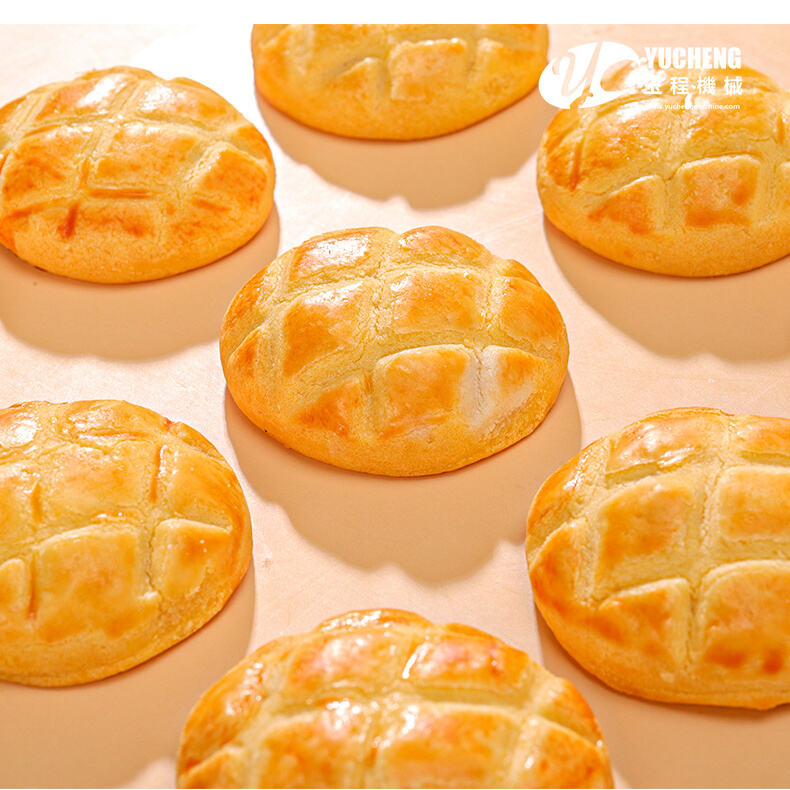
Selecting the appropriate cookie machine for your baking operation is a critical decision that can significantly impact your production efficiency, product quality, and overall business success. Whether you're operating a small bakery, a large commercial facility, or an industrial food production plant, understanding the key factors that influence cookie machine selection will help you make an informed investment. The right equipment can streamline your production process, reduce labor costs, and ensure consistent product quality that meets customer expectations.
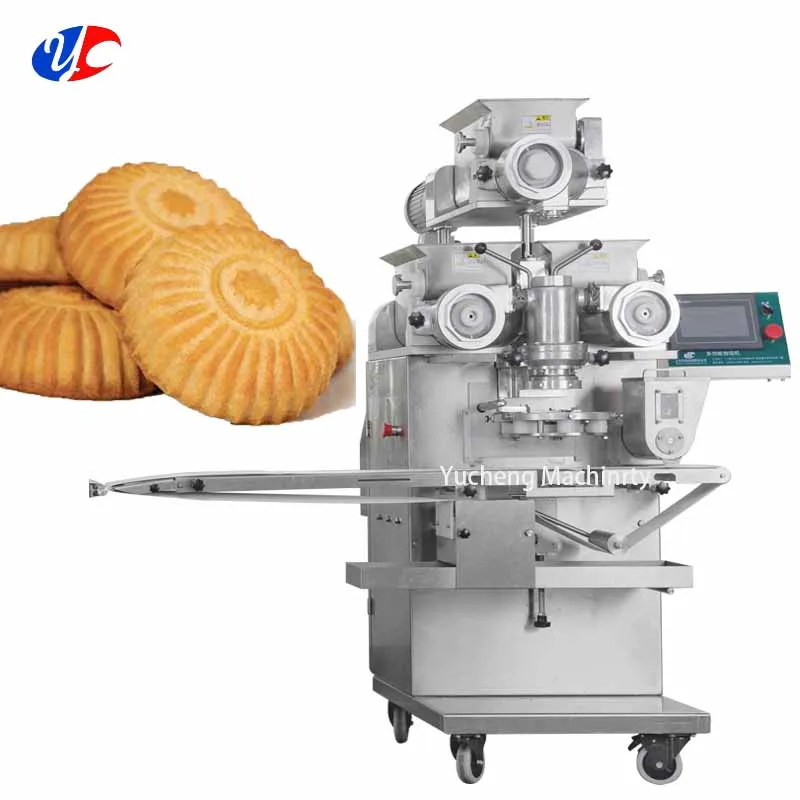
Understanding Cookie Machine Types and Technologies
Rotary Molding Systems
Rotary molding cookie machines represent one of the most versatile and widely used technologies in commercial baking. These systems utilize rotating drums with engraved patterns or molds to shape cookie dough into consistent forms. The rotary mechanism ensures uniform thickness and weight distribution across all products, making them ideal for high-volume production environments. When evaluating a rotary cookie machine, consider the drum diameter, engraving depth, and the range of patterns available for your specific product lines.
The precision offered by rotary molding systems makes them particularly suitable for producing decorative cookies, embossed biscuits, and products requiring intricate surface details. Modern rotary cookie machines often feature adjustable speed controls, allowing operators to fine-tune production rates based on dough consistency and desired product characteristics. This flexibility enables bakeries to maintain consistent quality while adapting to different recipe formulations and seasonal product variations.
Wire Cut Technology
Wire cut cookie machines employ a different approach, using tensioned wires to slice through extruded dough logs. This technology excels at producing round or cylindrical cookies with clean, precise cuts. The wire cutting method is particularly effective for softer dough formulations that might stick to traditional molding systems. When selecting a wire cut cookie machine, evaluate the wire tensioning system, cutting speed capabilities, and the ease of wire replacement and maintenance.
The versatility of wire cut systems extends beyond basic round cookies, as many modern machines offer interchangeable cutting assemblies for creating various shapes and sizes. The consistent portioning achieved through wire cutting ensures uniform baking times and reduces product waste, making these systems highly efficient for large-scale operations. Additionally, the gentle cutting action preserves dough structure, which is crucial for maintaining texture in delicate cookie formulations.
Production Capacity and Efficiency Considerations
Throughput Requirements
Determining your required production capacity is fundamental to selecting an appropriate cookie machine for your operation. Calculate your peak production needs, considering factors such as seasonal demand fluctuations, promotional periods, and potential business growth. A properly sized cookie machine should handle your current volume requirements while providing room for expansion without creating bottlenecks in your production line.
Production capacity varies significantly across different cookie machine models, ranging from small-scale units producing hundreds of pieces per hour to industrial systems capable of manufacturing thousands of cookies per minute. Consider not only the raw throughput numbers but also the consistency of production rates under various operating conditions. Factor in changeover times between different products, as frequent recipe changes can significantly impact overall efficiency.
Energy Efficiency and Operating Costs
Modern cookie machines incorporate various energy-saving technologies that can substantially reduce operating costs over the equipment's lifespan. Evaluate the power consumption specifications, heating efficiency ratings, and any energy recovery systems integrated into the design. Variable frequency drives, efficient heating elements, and improved insulation contribute to lower energy consumption while maintaining optimal performance.
Beyond direct energy costs, consider the maintenance requirements and associated expenses for each cookie machine option. Equipment with accessible components, standardized parts, and comprehensive diagnostic systems typically offer lower long-term operating costs. Regular maintenance schedules and the availability of local service support can significantly impact the total cost of ownership for your cookie machine investment.
Quality Control and Consistency Features
Weight and Dimension Accuracy
Consistent product specifications are crucial for maintaining brand quality and meeting regulatory requirements in commercial baking operations. Advanced cookie machines incorporate sophisticated control systems that monitor and adjust various parameters to ensure uniform weight, thickness, and dimensional accuracy across all products. Look for systems with real-time feedback mechanisms that can detect and correct variations before they impact product quality.
Precision in cookie production directly affects ingredient costs, packaging efficiency, and customer satisfaction. A high-quality cookie machine should maintain weight tolerances within acceptable ranges even during extended production runs. Consider systems with integrated weighing mechanisms or feedback controls that automatically adjust forming parameters to compensate for dough consistency variations.
Surface Finish and Appearance
The visual appeal of cookies significantly influences consumer purchasing decisions, making surface finish quality a critical consideration in cookie machine selection. Evaluate how different forming technologies affect surface texture, pattern definition, and overall appearance. Some cookie machine designs excel at creating smooth surfaces, while others are better suited for textured or embossed products.
Consider the compatibility between your chosen cookie machine and various dough formulations, as ingredient variations can significantly impact surface appearance. Machines with adjustable forming pressures and temperature controls provide greater flexibility in achieving desired surface characteristics across different product lines. The ability to maintain consistent appearance standards throughout production runs is essential for brand integrity and customer satisfaction.
Dough Handling and Flexibility
Multiple Dough Types Compatibility
Modern bakery operations often produce diverse cookie varieties, requiring equipment capable of handling different dough formulations efficiently. Evaluate how well each cookie machine accommodates variations in dough consistency, from soft, sticky formulations to firmer, drier mixtures. Some systems excel with specific dough types but struggle with others, potentially limiting your product development opportunities.
The hopper design, feeding mechanisms, and forming systems all influence how effectively a cookie machine handles different dough types. Look for features such as adjustable feed rates, variable forming pressures, and temperature-controlled dough handling zones. These capabilities enable your operation to switch between product lines efficiently while maintaining consistent quality standards across diverse formulations.
Changeover and Setup Efficiency
Frequent product changes are common in commercial baking, making changeover efficiency a crucial factor in cookie machine selection. Evaluate the time and labor requirements for switching between different products, including mold changes, cleaning procedures, and parameter adjustments. Quick-change systems and tool-free adjustments can significantly reduce downtime and improve overall productivity.
Consider the complexity of setup procedures and the skill level required for operators to perform changeovers effectively. User-friendly control interfaces, preset recipe storage, and guided setup procedures can minimize training requirements and reduce the risk of setup errors. The ability to store multiple production parameters and recall them quickly enhances operational efficiency and consistency.
Hygiene and Sanitation Requirements
Cleanability and Design Standards
Food safety regulations mandate strict hygiene standards for commercial baking equipment, making cleanability a primary consideration in cookie machine selection. Evaluate the accessibility of food contact surfaces, the presence of crevices or hard-to-reach areas, and the overall design philosophy regarding sanitary construction. Equipment designed with smooth surfaces, minimal joints, and easy disassembly facilitates thorough cleaning and reduces contamination risks.
Look for cookie machine designs that comply with recognized food safety standards and incorporate features such as sloped surfaces for drainage, removable components for thorough cleaning, and materials resistant to cleaning chemicals and sanitizers. The ease of daily cleaning procedures directly impacts labor requirements and the consistency of sanitation practices throughout your operation.
Material Construction and Durability
The materials used in cookie machine construction significantly impact both hygiene maintenance and long-term durability. Stainless steel components resist corrosion and facilitate effective cleaning, while food-grade plastics and specialized coatings provide additional options for specific applications. Evaluate the quality of welds, surface finishes, and component materials to ensure they meet your operational requirements and regulatory standards.
Consider the wear resistance of critical components, particularly those in direct contact with dough or subject to frequent adjustment. High-quality materials and construction techniques extend equipment lifespan, reduce maintenance requirements, and maintain consistent performance over years of operation. The initial investment in superior materials typically pays dividends through reduced replacement costs and improved reliability.
Automation and Control Systems
Integration Capabilities
Modern cookie machine systems often integrate with broader production line automation, requiring compatibility with upstream and downstream equipment. Evaluate communication protocols, control system interfaces, and the ability to share production data across your facility's network. Seamless integration enhances overall line efficiency and enables centralized monitoring and control.
Consider future automation plans when selecting a cookie machine, as upgrading control systems can be complex and expensive after installation. Look for systems with open communication standards and modular control architectures that accommodate future expansion or modification. The ability to integrate with enterprise resource planning systems and production management software provides valuable benefits for larger operations.
Operator Interface and Training
User-friendly control interfaces reduce training requirements and minimize the risk of operating errors that can impact product quality or safety. Evaluate the clarity of display screens, the logical organization of control functions, and the availability of diagnostic information. Intuitive interfaces enable operators to respond quickly to production issues and maintain consistent performance standards.
Consider the level of technical expertise required for routine operation and maintenance procedures. Cookie machine systems with comprehensive operator training programs and clear documentation facilitate smooth implementation and ongoing operation. The availability of remote diagnostic capabilities and technical support can significantly reduce downtime when issues arise.
Cost Analysis and Return on Investment
Initial Investment Considerations
The purchase price of a cookie machine represents just one component of the total investment required for implementation. Factor in installation costs, utility connections, operator training, and any facility modifications needed to accommodate the new equipment. Compare these total implementation costs across different options to make accurate investment comparisons.
Consider financing options and payment terms offered by different manufacturers, as these can significantly impact cash flow and return on investment calculations. Some suppliers provide leasing programs or performance-based payment structures that align equipment costs with production benefits. Evaluate warranty terms, service agreements, and parts availability to understand the long-term cost implications of your cookie machine selection.
Productivity and Quality Benefits
Quantify the productivity improvements and quality enhancements achievable through cookie machine upgrades or replacements. Consider factors such as increased throughput, reduced labor requirements, improved product consistency, and decreased waste rates. These operational improvements often provide substantial returns that justify equipment investments.
Calculate the potential revenue increases from expanded production capabilities or improved product quality. A more capable cookie machine might enable new product lines, increased market share, or premium pricing opportunities. Factor these revenue enhancements into your return on investment analysis to capture the full value proposition of different equipment options.
Supplier Selection and Support Services
Manufacturer Reputation and Experience
The reputation and experience of cookie machine manufacturers significantly influence the long-term success of your equipment investment. Research the track record of potential suppliers, including their experience in your specific market segment and the performance history of their equipment in similar applications. Customer references and case studies provide valuable insights into real-world performance and support quality.
Evaluate the financial stability and longevity of potential suppliers, as this impacts parts availability, service support, and technology updates over the equipment's operational life. Established manufacturers with strong market positions typically provide better long-term support and continue developing improvements for their cookie machine platforms.
Technical Support and Service
Comprehensive technical support services are crucial for maintaining optimal cookie machine performance and minimizing production disruptions. Evaluate the availability of local service technicians, response time guarantees, and the scope of support services offered. Remote diagnostic capabilities and 24-hour technical support hotlines provide additional value for critical production environments.
Consider the training programs available for your maintenance staff and operators, as well-trained personnel can prevent many issues and perform routine maintenance more effectively. Preventive maintenance programs offered by manufacturers can extend equipment life and maintain peak performance while reducing unexpected downtime costs.
FAQ
What production capacity should I target when selecting a cookie machine?
Target a production capacity that meets your current peak demand plus 25-30% additional capacity for growth and seasonal fluctuations. Consider your product mix, changeover frequency, and operating hours when calculating requirements. It's better to have slightly excess capacity than to create production bottlenecks that limit business growth or force overtime operations.
How important is energy efficiency in cookie machine selection?
Energy efficiency is increasingly important due to rising utility costs and environmental considerations. Modern energy-efficient cookie machines can reduce operating costs by 15-25% compared to older models. Calculate the energy savings over the equipment's expected lifespan, as these savings often justify higher initial investments in efficient technologies.
What maintenance requirements should I expect with different cookie machine types?
Maintenance requirements vary significantly based on cookie machine design and complexity. Simpler mechanical systems typically require less specialized maintenance but may need more frequent adjustments. Complex automated systems require skilled technicians but often provide better diagnostic capabilities and predictive maintenance features. Plan for regular preventive maintenance regardless of system type to ensure optimal performance and longevity.
How do I ensure my chosen cookie machine meets food safety regulations?
Verify that your selected cookie machine complies with relevant food safety standards such as FDA regulations, USDA requirements, or international standards like CE marking. Look for sanitary design features, food-grade materials, and proper documentation. Work with reputable manufacturers who understand regulatory requirements and can provide necessary compliance documentation and support.
Table of Contents
- Understanding Cookie Machine Types and Technologies
- Production Capacity and Efficiency Considerations
- Quality Control and Consistency Features
- Dough Handling and Flexibility
- Hygiene and Sanitation Requirements
- Automation and Control Systems
- Cost Analysis and Return on Investment
- Supplier Selection and Support Services
- FAQ


