 EN
EN

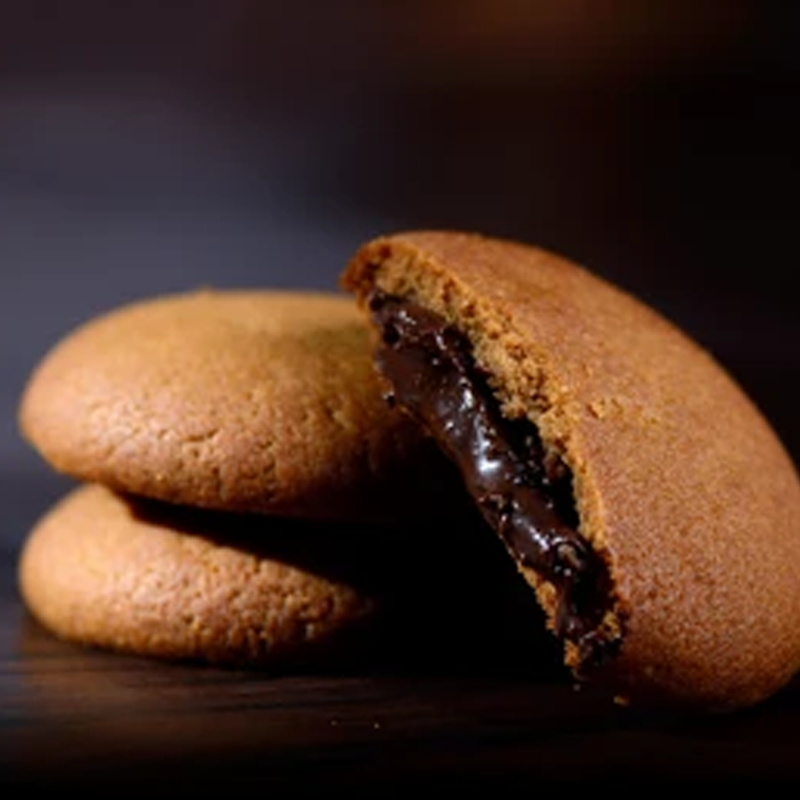
Bakery operations today face mounting pressure to diversify product offerings while maintaining efficiency and profitability. Many commercial bakeries find themselves constrained by manual production methods that limit both volume and variety. The strategic integration of automated equipment represents a transformative solution that addresses these operational bottlenecks while simultaneously unlocking new revenue streams. Understanding how mechanized production systems can fundamentally reshape your product portfolio requires examining the specific capabilities, flexibility, and commercial advantages these systems deliver in real-world bakery environments.
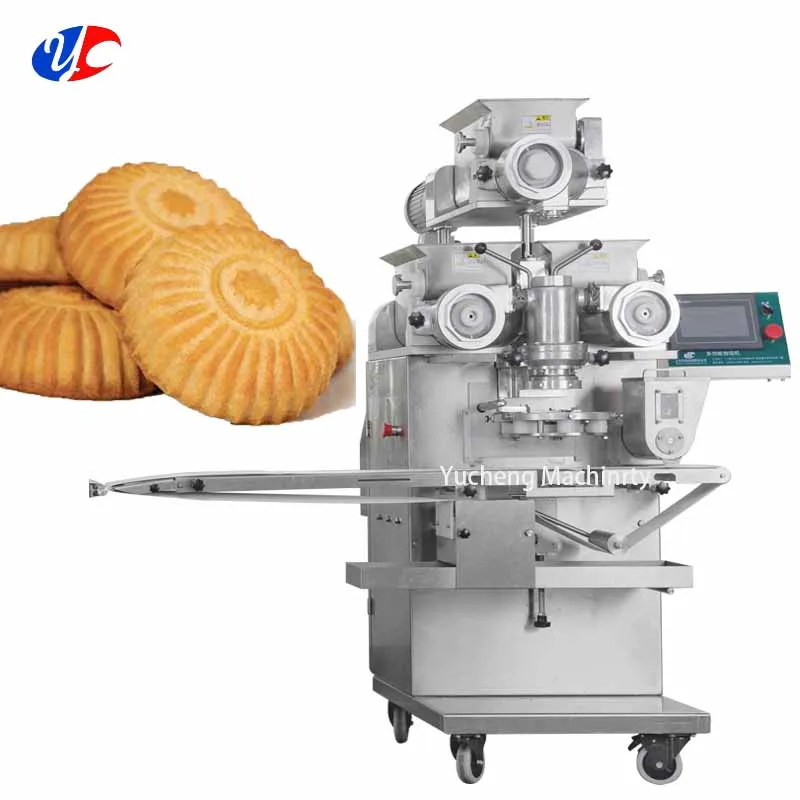
The capability of a cookie machine to expand your bakery's product range stems from its inherent design flexibility and programmable functionality. Modern automated cookie production systems enable bakeries to transition seamlessly between multiple product types without significant downtime or retooling expenses. This operational versatility directly translates into the ability to test new market segments, respond rapidly to seasonal demand shifts, and establish differentiated product lines that elevate your competitive positioning. By exploring the specific mechanisms through which these machines enhance product diversity, bakery operators can make informed investment decisions that align with long-term growth strategies and evolving consumer preferences.
Versatile Forming Technologies Enable Multiple Product Categories
Rotary Molding Systems for Intricate Designs
Rotary molding technology represents one of the most versatile forming methods available in modern cookie machine designs. This system uses precision-engraved rollers that imprint detailed patterns and shapes into dough as it passes through the forming station. The capability to interchange roller sets allows bakeries to produce traditional shortbread varieties, embossed decorative cookies, and filled sandwich formats using the same base equipment. The cookie machine equipped with rotary molding can accommodate dough viscosities ranging from stiff shortbread mixtures to softer deposit-style batters, significantly expanding the textural spectrum your bakery can offer.
The pattern depth and complexity achievable through rotary systems creates opportunities for premium product lines that command higher retail prices. Intricate designs such as traditional maamoul patterns, European butter cookie motifs, or custom branded imprints become economically feasible at production scales that would be prohibitively expensive through manual methods. This technology enables bakeries to enter specialized market segments including ethnic specialty cookies, artisanal gift assortments, and private label products for retail partners seeking distinctive offerings.
Changeover between different roller patterns typically requires fifteen to thirty minutes depending on machine configuration and operator experience. This relatively brief transition time means bakeries can economically produce smaller batch sizes across multiple product varieties within a single production shift. The ability to run limited-edition seasonal flavors or test new product concepts without committing to long production runs reduces market entry risk and accelerates innovation cycles.
Wire-Cut and Deposit Systems for Texture Variation
Wire-cut forming technology expands product range by enabling the production of cookies with distinct chunky textures and visible inclusions. This method uses a thin wire to slice dough logs into individual pieces, making it ideal for formulations containing chocolate chips, nuts, dried fruits, or other particulate ingredients that would interfere with rotary molding. A cookie machine configured for wire-cutting can handle significantly higher inclusion rates compared to rotary systems, opening opportunities for premium indulgent product lines that appeal to consumers seeking textural complexity.
Deposit systems offer complementary capabilities by extruding soft batters through shaped nozzles onto baking surfaces. This technology supports the production of delicate products like meringue cookies, macarons, spritz cookies, and other specialty items that require precise portion control and soft texture profiles. The ability to switch between wire-cut and deposit modes within the same equipment platform means bakeries can address both the crunchy cookie segment and the soft-baked category without investing in entirely separate production lines.
The integration of multiple forming technologies within a single cookie machine framework represents a strategic capability that directly impacts product portfolio breadth. Bakeries can develop comprehensive product families spanning texture categories from crisp and snappy to soft and chewy, positioning themselves as full-spectrum suppliers to retail accounts and foodservice channels. This technological versatility translates into stronger negotiating positions with distributors and retailers who prefer consolidated supplier relationships.
Multi-Hopper Systems Support Simultaneous Recipe Production
Parallel Processing Reduces Changeover Downtime
Advanced cookie machine designs incorporate multiple ingredient hoppers and forming stations that enable simultaneous processing of different recipes. This parallel production capability fundamentally changes the economics of product variety by eliminating the sequential changeover time that traditionally limited batch diversity. Systems equipped with three or more hoppers can run distinct dough formulations concurrently, allowing bakeries to produce vanilla, chocolate, and specialty flavored cookies in a single continuous operation.
The elimination of changeover downtime between varieties directly increases effective production capacity and asset utilization. Instead of dedicating entire shifts to single products, bakeries can allocate production time proportionally across their full product portfolio based on actual demand patterns. This operational flexibility reduces the risk of overproduction in slow-moving SKUs while ensuring adequate inventory levels across all product lines. The financial impact manifests through reduced waste, improved cash flow, and enhanced responsiveness to market demand fluctuations.
Multi-hopper systems also enable the production of combination products such as two-tone cookies, marble patterns, and side-by-side flavor varieties that create visual interest and perceived value. These distinctive product formats command premium pricing in retail environments and differentiate your bakery from competitors relying on single-flavor production methods. The ability to deliver these specialized products at industrial scale without manual assembly represents a significant competitive advantage in premium market segments.
Recipe Management Software Enables Rapid Product Development
Modern cookie machine control systems incorporate digital recipe storage and retrieval functions that dramatically accelerate product development cycles. Operators can store hundreds of validated formulations in machine memory, each with specific parameters for mixing time, forming pressure, thickness settings, and baking profiles. This digital recipe library allows bakeries to rapidly switch between established products or test new formulations without relying on manual adjustments or paper-based documentation systems.
The precision and repeatability enabled by digital recipe management ensures consistent quality across production runs and eliminates the variability associated with manual parameter adjustments. When developing new products, bakers can systematically test ingredient variations by adjusting stored recipes incrementally and documenting results within the control system. This structured development approach reduces the time and material waste traditionally associated with new product launches while building institutional knowledge that survives employee turnover.
Recipe management capabilities also facilitate customization for private label clients and foodservice accounts with specific formulation requirements. Bakeries can maintain distinct recipe variants for different customers within the same product category, accommodating variations in sweetness levels, dietary restrictions, or ingredient sourcing preferences. This customization capability without corresponding increases in production complexity enables bakeries to serve niche market segments that value tailored products and are willing to pay premium prices for that specificity.
Filling and Decoration Capabilities Create Premium Product Tiers
Integrated Filling Stations for Sandwich and Filled Varieties
The incorporation of filling stations within cookie machine systems dramatically expands product range into higher-margin filled and sandwich formats. These integrated systems can deposit precise quantities of cream fillings, fruit jams, chocolate ganache, or nut-based pastes between cookie layers or into center cavities. The automation of filling processes that traditionally required manual labor enables bakeries to enter premium product segments at commercially viable production rates and consistent quality levels.
Filled cookie varieties typically command retail prices thirty to fifty percent higher than unfilled equivalents due to perceived value and ingredient costs. By leveraging automated filling capabilities, bakeries can capture this premium pricing while maintaining competitive production costs through labor efficiency and portion control accuracy. The variety of filling options available through programmable depositor systems means a single cookie machine can support extensive product families including sandwich cookies with multiple cream flavors, fruit-filled thumbprint varieties, and Middle Eastern-style date or nut-filled specialties.
Temperature control capabilities within filling systems enable the processing of both ambient-stable and refrigerated filling materials, further expanding formulation possibilities. Bakeries can develop products featuring buttercream fillings, cream cheese-based centers, or temperature-sensitive chocolate varieties that meet specific textural and taste preferences across different market segments. This filling versatility supports seasonal product development, limited edition launches, and regional flavor adaptations that drive consumer interest and repeat purchases.
Post-Baking Decoration Systems for Visual Differentiation
Automated decoration capabilities integrated with cookie machine systems enable the application of chocolate coatings, drizzles, toppings, and sugar dustings that create visual appeal and textural contrast. These post-baking processes transform basic cookie forms into premium decorated products that stand out in retail displays and justify higher price points. The precision and consistency of automated decoration systems ensure uniform appearance across production runs, meeting the quality standards required for retail shelf presence and brand reputation.
Decoration stations can apply multiple layers and patterns in sequence, creating complex visual designs that would be economically unfeasible through manual methods. Chocolate-dipped varieties with contrasting drizzle patterns, cookies with selective topping placement in specific zones, and products combining multiple decoration techniques become viable production options. This decoration capability allows bakeries to develop extensive visual variety within core product platforms, essentially creating new SKUs through decoration variations rather than fundamental recipe changes.
The integration of decoration capabilities within continuous production lines eliminates the handling and staging time associated with batch decoration processes. Cookies move directly from cooling zones through decoration stations to packaging without intermediate storage or manual transfer, reducing labor requirements and minimizing product damage. This streamlined workflow enables bakeries to offer decorated products at price points competitive with simpler varieties, expanding the accessible market for premium cookie formats.
Scale Flexibility Supports Market Testing and Seasonal Products
Adjustable Production Volumes Enable Low-Risk Innovation
The production rate flexibility built into modern cookie machine systems allows bakeries to economically produce limited quantities of new or seasonal products without compromising efficiency on core items. Variable speed controls and adjustable forming parameters enable operators to scale output from small test batches suitable for market validation through full production volumes for established high-demand products. This operational flexibility reduces the financial risk associated with product innovation by allowing market testing at minimal investment.
Seasonal product development represents a significant opportunity for bakeries to capture holiday-specific demand and maintain consumer engagement throughout the annual cycle. A cookie machine capable of producing smaller batches enables the development of Valentine's Day heart-shaped varieties, Halloween-themed designs, winter holiday spice cookies, and summer fruit-flavored options without requiring minimum production quantities that exceed realistic seasonal demand. This seasonal agility helps bakeries maintain shelf space and consumer mindshare during periods when core product sales might otherwise decline.
The ability to test regional flavor preferences or demographic-specific product concepts through limited production runs provides valuable market intelligence with contained downside risk. Bakeries can validate product concepts in specific geographic markets or retail channels before committing to broader distribution, using actual sales data rather than consumer surveys to guide expansion decisions. This empirical approach to product development improves success rates and reduces the inventory write-offs associated with unsuccessful launches.
Quick-Change Tooling Systems Reduce Setup Costs
Engineering advances in cookie machine tooling design have significantly reduced the time and technical skill required to change between product formats. Quick-release roller systems, tool-free nozzle changes, and standardized mounting interfaces enable operators to complete format changeovers in minutes rather than hours. This reduction in setup time transforms the economics of product variety by lowering the per-batch fixed cost allocation, making smaller production runs financially viable.
The lower changeover costs enabled by quick-change tooling systems allow bakeries to operate with more frequent production schedule rotations, reducing inventory carrying costs and improving product freshness. Instead of producing week-long batches of single products, bakeries can rotate through their full product portfolio multiple times weekly, ensuring retail customers receive fresher products with longer remaining shelf life. This freshness advantage strengthens relationships with quality-focused retail accounts and supports premium positioning.
Tooling standardization across product families further enhances changeover efficiency by allowing bakeries to maintain focused tooling inventories that serve multiple products. Common forming components that accommodate thickness variations through adjustment rather than replacement reduce the capital investment required to support broad product ranges. This equipment design philosophy makes product diversity economically accessible to mid-sized bakeries that might otherwise lack the capital resources for extensive dedicated tooling sets.
Integration with Packaging Systems Enables Brand Differentiation
In-Line Packaging Supports Multiple Format Options
The integration of cookie machine output with automated packaging systems enables bakeries to offer products in diverse packaging formats that serve different market channels and consumption occasions. Single-serve packages for grab-and-go retail, multi-cookie snack packs for lunchbox inclusion, family-size containers for household pantry storage, and bulk institutional formats for foodservice accounts all become viable through flexible packaging line configurations. This packaging diversity directly expands the addressable market for core cookie formulations by optimizing format for specific use cases.
Packaging format flexibility also supports premium product positioning through the use of enhanced materials and design elements. Windowed packages that showcase product appearance, resealable formats that emphasize freshness preservation, and gift-appropriate boxes that command occasion-based premium pricing all become production options when cookie machine systems interface effectively with versatile packaging equipment. These packaging enhancements allow bakeries to extract additional value from established recipes by repositioning them for higher-value market segments.
The ability to run multiple SKUs through common packaging lines without extensive changeover time enables bakeries to maintain broad product catalogs without proportional increases in operational complexity. Modern packaging systems with quick-change format parts and digital print capabilities can accommodate size, flavor, and branding variations within product families efficiently. This packaging flexibility complements the product variety enabled by cookie machine versatility, ensuring that operational capabilities extend through the complete production chain from mixing through finished goods.
Custom Branding Capabilities for Private Label Growth
Integrated packaging systems with digital printing capabilities enable bakeries to serve private label clients and co-manufacturing opportunities that might otherwise require separate production facilities. The ability to apply customer-specific branding, nutritional panels, and regulatory information at the packaging stage means a single cookie machine production run can serve multiple brand owners through differentiation at the final packaging step. This co-manufacturing capability represents a significant revenue opportunity for bakeries with excess production capacity.
Private label relationships typically offer more stable order volumes and longer-term contracts compared to branded product distribution, providing revenue predictability that supports business planning and capital investment decisions. The product variety enabled by versatile cookie machine systems makes bakeries attractive partners for retailers seeking to develop comprehensive private label cookie assortments without engaging multiple suppliers. This consolidated supplier relationship strengthens negotiating positions and creates switching costs that protect revenue streams.
The technical capabilities required to support private label production including precise specification compliance, consistent quality delivery, and responsive production scheduling are directly enabled by the process control and flexibility features built into modern cookie machine systems. Bakeries can maintain separate recipe specifications for private label clients alongside their branded products, delivering the customization clients expect while maintaining operational efficiency through shared equipment platforms. This dual-channel strategy diversifies revenue sources and reduces dependence on any single market segment.
FAQ
What types of cookies can a cookie machine produce beyond basic round shapes?
Modern cookie machine systems can produce an extensive variety of shapes and formats including rectangular bars, intricate molded designs with detailed patterns, filled sandwich cookies, wire-cut varieties with chunky inclusions, deposited soft-baked styles, and specialty ethnic formats like maamoul or pizzelle. The specific range depends on the forming technologies integrated into the equipment, with many systems offering interchangeable tooling that enables multiple product categories on a single platform. Advanced machines can also handle two-tone varieties, marble patterns, and products with embedded decorations or toppings applied during forming.
How long does it take to switch between different cookie varieties on an automated system?
Changeover time varies based on the extent of product differences and equipment design, typically ranging from fifteen minutes for simple recipe changes within the same forming method to forty-five minutes for complete format changes requiring tooling replacement. Multi-hopper cookie machine designs minimize changeover requirements by running multiple recipes simultaneously, while quick-change tooling systems reduce mechanical changeover time significantly. Recipe management software eliminates the need for manual parameter adjustments, allowing operators to recall stored settings instantly. Bakeries focused on product variety should prioritize equipment with documented rapid changeover capabilities and standardized tooling interfaces.
Can automated cookie machines handle specialty ingredients like chocolate chips or nuts without damaging them?
Quality cookie machine systems are specifically engineered to accommodate particulate inclusions including chocolate chips, nut pieces, dried fruits, and seeds without excessive breakage or distribution problems. Wire-cut forming methods work particularly well for inclusion-heavy formulations since they avoid the compression forces associated with molding processes. Gentle dough handling systems with appropriate auger designs and controlled pressure zones preserve ingredient integrity while ensuring even distribution throughout the dough matrix. When evaluating equipment for inclusion-based products, bakeries should request demonstration runs with their specific formulations to verify handling capabilities and finished product quality.
What production volume should a bakery reach before investing in automated cookie equipment?
The investment threshold for cookie machine automation depends on multiple factors including labor costs, target product mix, market pricing dynamics, and growth projections rather than a single production volume metric. Generally, bakeries producing more than five hundred kilograms of cookies daily or those constrained by labor availability find automation financially justified through reduced per-unit costs and improved consistency. However, bakeries with strong growth trajectories or opportunities in premium product segments may justify earlier investment to capture market opportunities that manual production methods cannot address. Financial analysis should consider not only direct labor savings but also the revenue expansion enabled by broader product ranges, improved quality consistency, and enhanced production capacity that supports business development initiatives.
Table of Contents
- Versatile Forming Technologies Enable Multiple Product Categories
- Multi-Hopper Systems Support Simultaneous Recipe Production
- Filling and Decoration Capabilities Create Premium Product Tiers
- Scale Flexibility Supports Market Testing and Seasonal Products
- Integration with Packaging Systems Enables Brand Differentiation
-
FAQ
- What types of cookies can a cookie machine produce beyond basic round shapes?
- How long does it take to switch between different cookie varieties on an automated system?
- Can automated cookie machines handle specialty ingredients like chocolate chips or nuts without damaging them?
- What production volume should a bakery reach before investing in automated cookie equipment?


