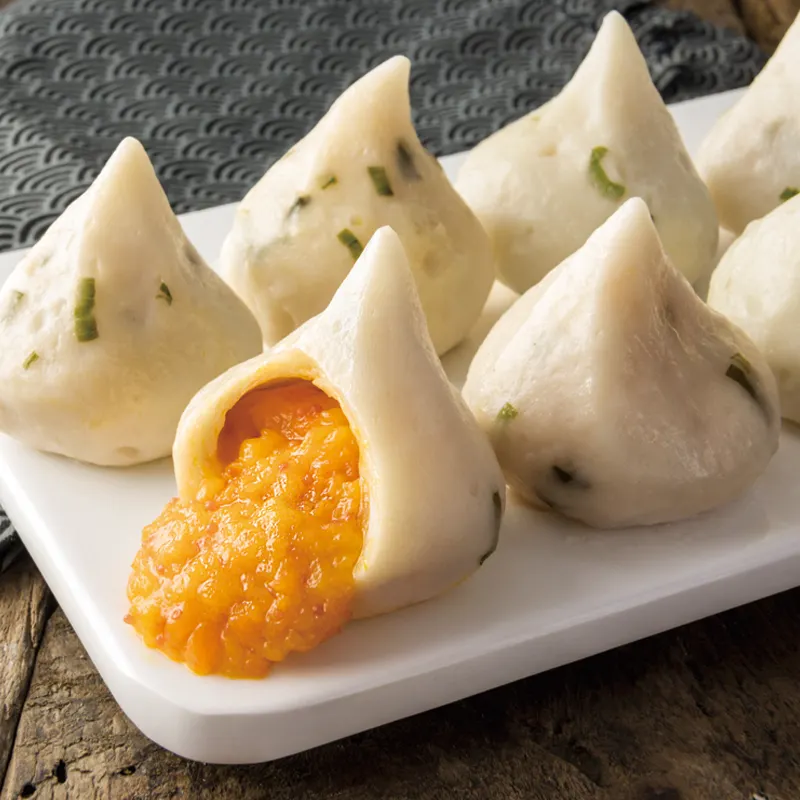
Versatile Design for Multiple Fish Types and Product Variations
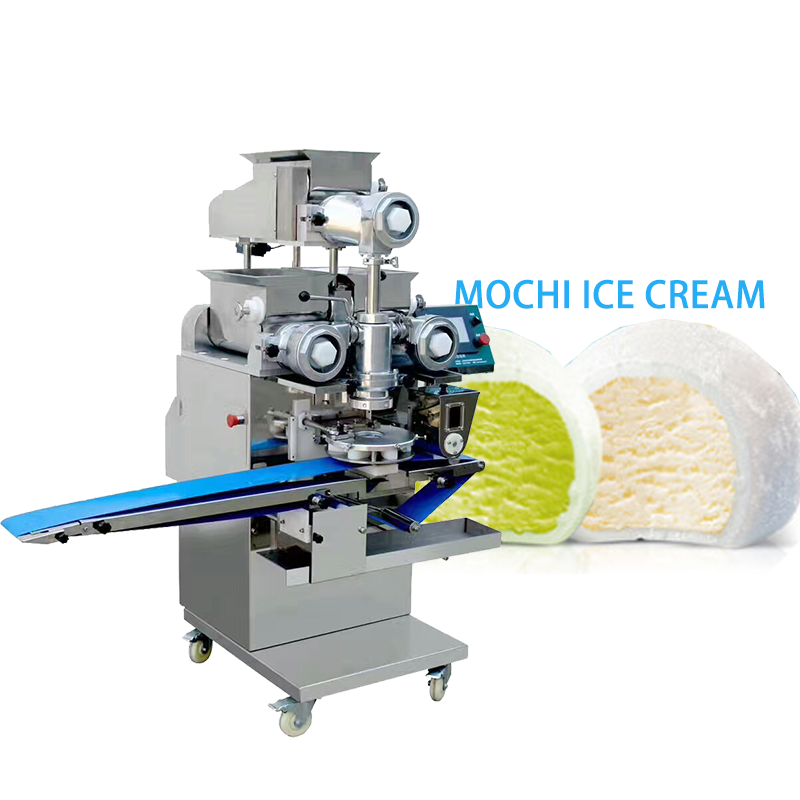
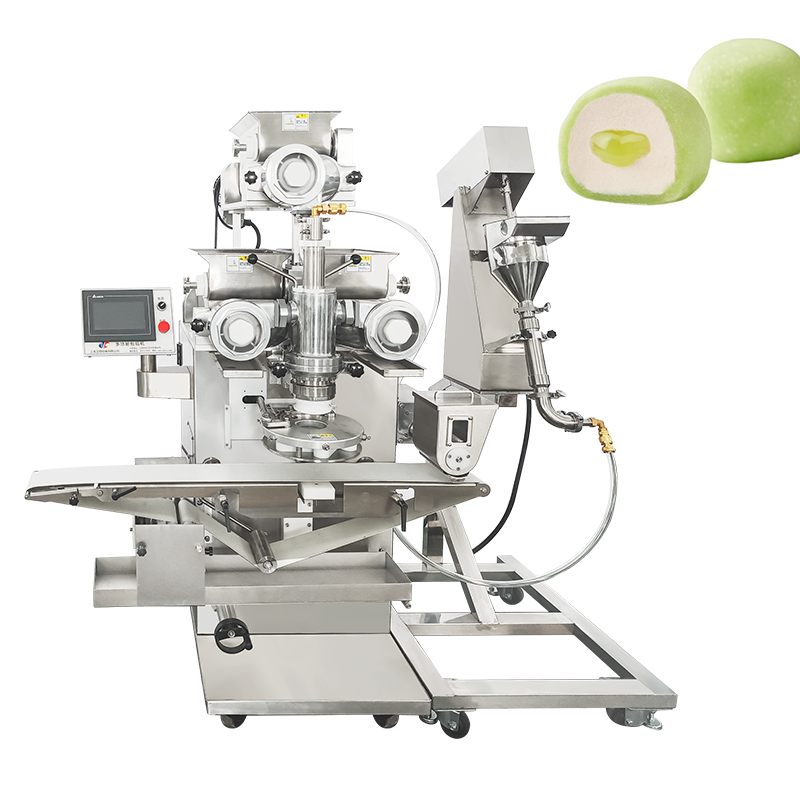
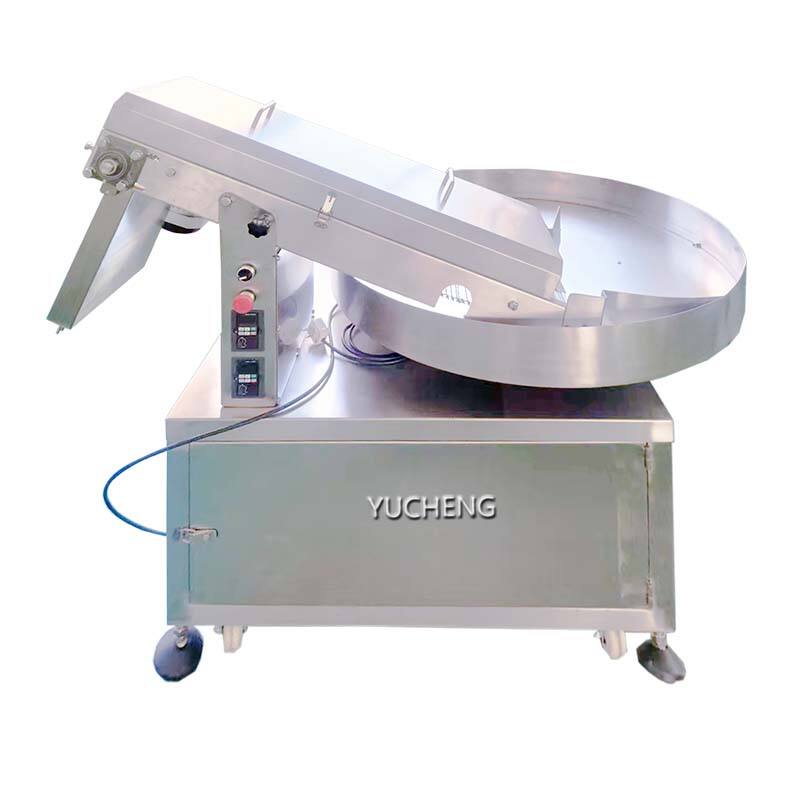
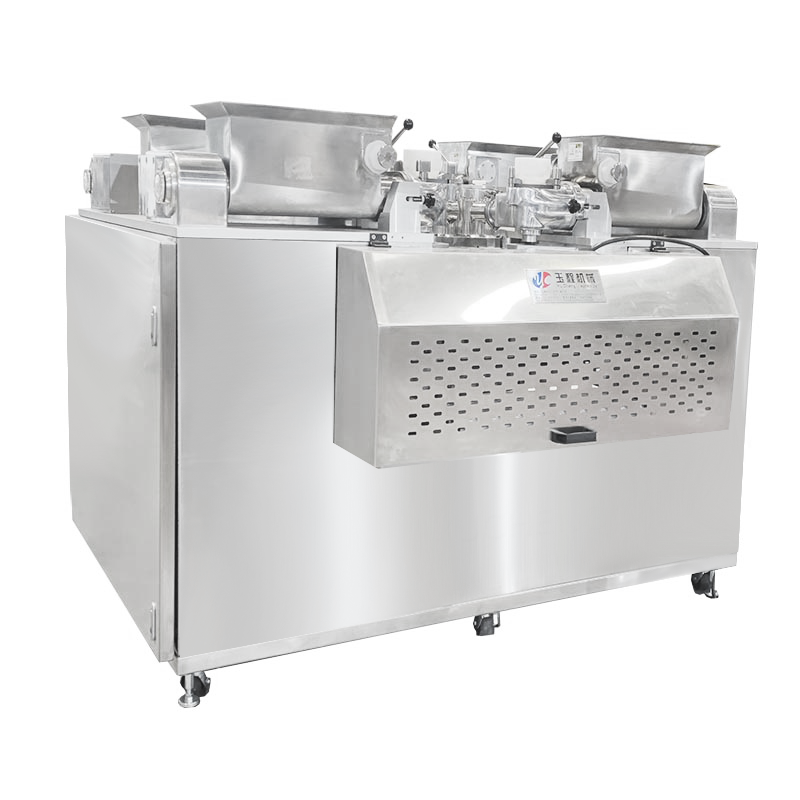
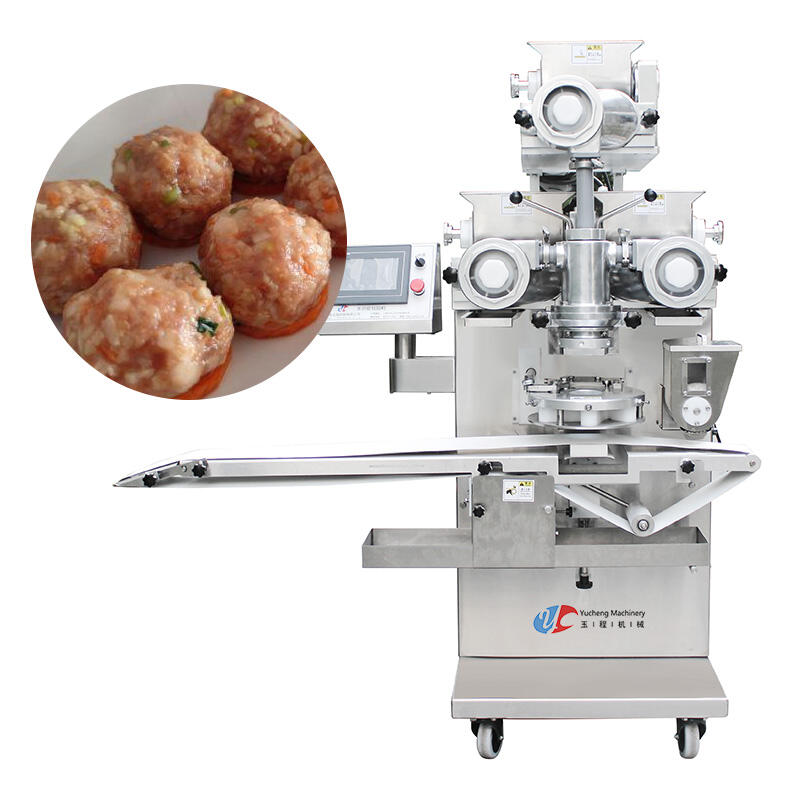
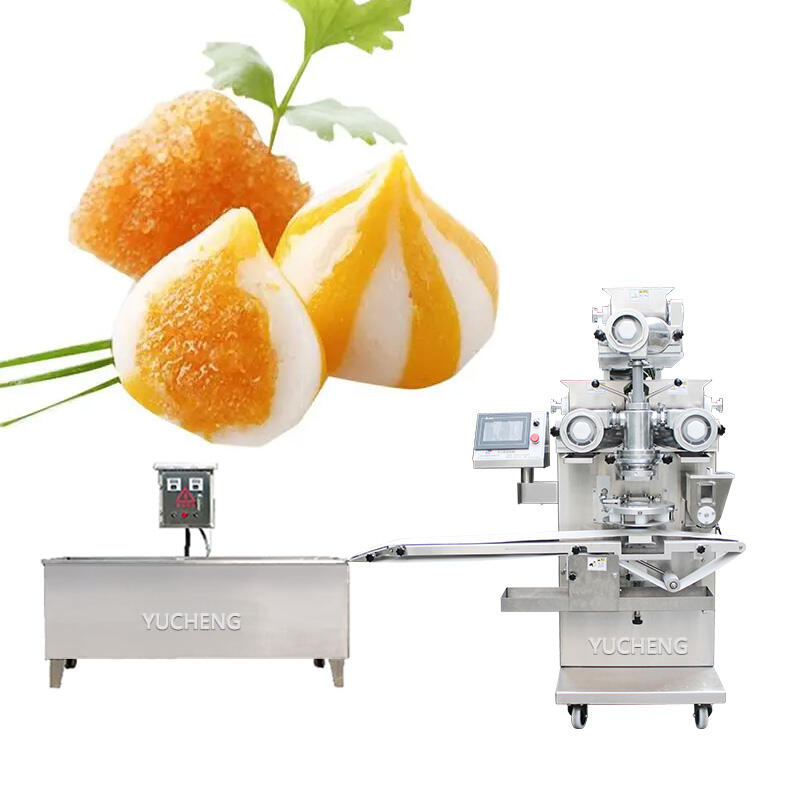
The fish ball making machine features remarkable versatility that accommodates various fish species and enables diverse product formulations, making it an invaluable asset for manufacturers serving different market segments. This adaptable design processes everything from traditional white fish like cod and haddock to more exotic varieties such as salmon, tuna, and specialty regional fish types, each requiring specific handling characteristics and processing parameters. The machine's adjustable grinding mechanism can accommodate different fish textures, from firm-fleshed varieties that require more aggressive processing to delicate fish that need gentler handling to preserve their unique characteristics. Recipe flexibility allows operators to incorporate various ingredients beyond fish, including vegetables, seasonings, starches, and binding agents, creating unique product formulations that meet specific customer preferences or dietary requirements. The variable sizing system enables production of fish balls ranging from bite-sized appetizers to larger portions suitable for main courses, addressing different market segments and culinary applications. Processing parameters can be adjusted to create different textures, from firm, bouncy fish balls preferred in Asian cuisine to softer varieties favored in European markets. The machine accommodates both fresh and frozen fish inputs, providing flexibility in raw material sourcing and inventory management. Color variations are possible through natural ingredient additions, allowing manufacturers to create visually appealing products that stand out in competitive markets. The equipment handles different moisture contents effectively, ensuring consistent results regardless of seasonal variations in fish quality or storage conditions. Coating capabilities enable production of breaded or seasoned fish balls, expanding product lines into value-added categories. The machine's sanitary design facilitates quick changeovers between different fish types, minimizing cross-contamination risks and enabling efficient production scheduling. This versatility positions manufacturers to respond quickly to market trends, seasonal demands, and customer requests for custom formulations, creating competitive advantages and new revenue opportunities.
 EN
EN