Professional Biscuit Extruder Solutions - Advanced Manufacturing Equipment for Commercial Production

Get a Free Quote

Our representative will contact you soon.
Email
Name
Company Name
Message
0/1000

biscuit extruder

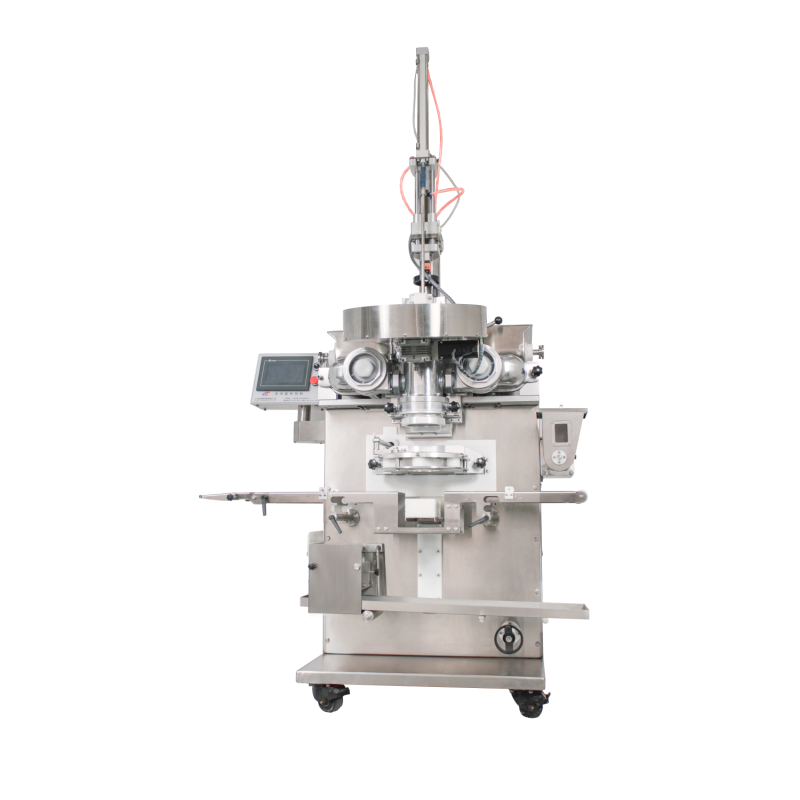
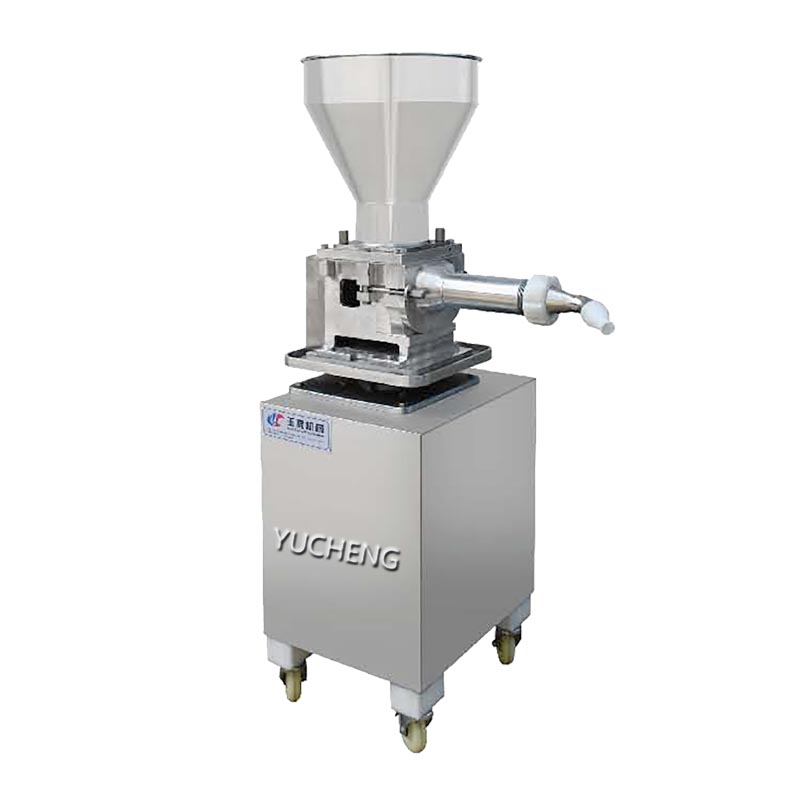
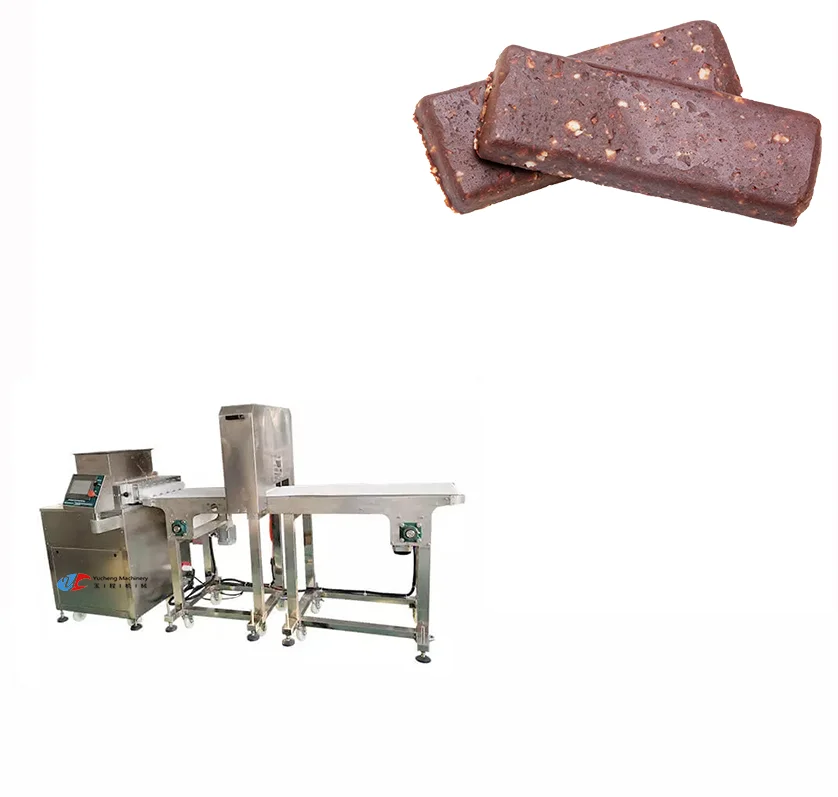
A biscuit extruder represents a sophisticated manufacturing solution designed to transform raw ingredients into perfectly shaped biscuit dough through controlled mechanical processes. This advanced equipment operates by forcing mixed dough through specially designed dies under precise pressure and temperature conditions, creating consistent product shapes and textures that meet commercial production standards. The biscuit extruder incorporates multiple technological components including variable speed motors, temperature control systems, and interchangeable forming dies that enable manufacturers to produce diverse biscuit varieties efficiently. Modern biscuit extruder systems feature automated feeding mechanisms that ensure continuous ingredient flow while maintaining optimal mixing ratios throughout the production cycle. The equipment utilizes precision-engineered screws and barrels that apply controlled pressure to achieve uniform dough consistency, eliminating variations that commonly occur in manual processing methods. Temperature regulation systems within the biscuit extruder maintain ideal thermal conditions that preserve ingredient integrity while facilitating proper dough formation. These machines accommodate various recipe formulations, from traditional wheat-based mixtures to specialized dietary alternatives including gluten-free and organic compositions. Production capacity varies significantly among different biscuit extruder models, ranging from small-scale operations producing hundreds of pieces per hour to industrial-grade systems capable of manufacturing thousands of units continuously. The versatility of modern biscuit extruder technology extends beyond basic shape formation, incorporating features for texture modification, ingredient incorporation, and surface treatment applications. Quality control mechanisms integrated into advanced biscuit extruder systems monitor product consistency in real-time, automatically adjusting operational parameters to maintain predetermined specifications. These machines find extensive applications across commercial bakeries, snack food manufacturing facilities, and specialty confectionery operations where consistent product quality and efficient production throughput remain essential business requirements.

Popular Products

The biscuit extruder delivers exceptional production efficiency that significantly reduces labor costs while maximizing output capacity compared to traditional manual forming methods. This advanced equipment operates continuously for extended periods, enabling manufacturers to meet high-volume demand without compromising product quality or consistency standards. The automated nature of the biscuit extruder eliminates human error factors that frequently affect manual production processes, ensuring every biscuit maintains identical specifications regarding shape, size, and weight distribution. Energy efficiency represents another crucial advantage, as modern biscuit extruder systems consume substantially less power per unit produced compared to alternative manufacturing approaches. The equipment reduces ingredient waste through precise portion control mechanisms that utilize exact amounts of raw materials for each production cycle, directly impacting profit margins and sustainability goals. Flexibility in recipe adaptation allows manufacturers to quickly switch between different product formulations without extensive equipment modifications or lengthy setup procedures. The biscuit extruder accommodates diverse ingredient combinations, enabling producers to respond rapidly to changing market preferences and seasonal demand variations. Maintenance requirements remain minimal due to robust construction materials and simplified mechanical designs that reduce component wear and extend operational lifespans. Quality consistency achieved through the biscuit extruder eliminates batch variations that commonly plague traditional mixing and forming processes, resulting in uniform products that meet stringent quality standards expected by consumers and retailers. Scalability options allow businesses to upgrade production capacity by integrating additional biscuit extruder units or enhanced processing modules without complete system replacement. The equipment generates detailed production data that enables manufacturers to optimize operational parameters, track performance metrics, and implement predictive maintenance schedules that minimize unexpected downtime. Hygiene standards improve significantly with biscuit extruder systems featuring easy-clean surfaces, removable components, and sanitization-friendly designs that comply with food safety regulations. Cost-effectiveness becomes evident through reduced labor requirements, improved material utilization, and consistent product quality that minimizes rejection rates and customer complaints.

Latest News

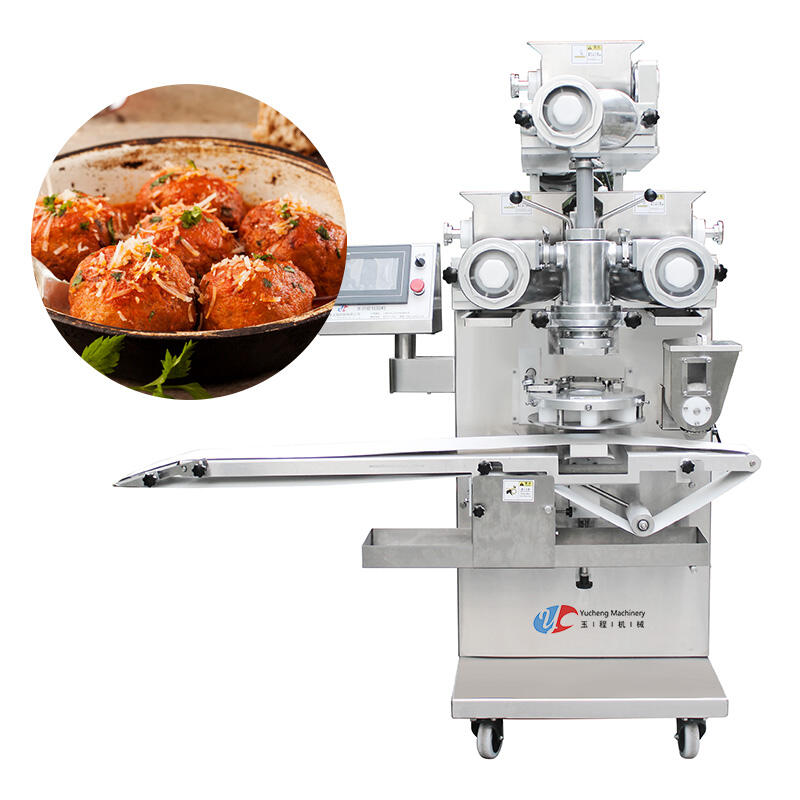
Top Benefits of Adding a Meatball Machine to Your Food Business

21

Oct

Top Benefits of Adding a Meatball Machine to Your Food Business

Transform Your Food Operations with Advanced Meatball Production The food service industry is constantly evolving, and staying competitive means embracing innovative solutions that enhance efficiency and product quality. A meatball machine represents...
View More
How Does a Pastry Making Machine Improve Efficiency and Quality?

21

Oct

How Does a Pastry Making Machine Improve Efficiency and Quality?

Revolutionizing Commercial Bakery Operations with Advanced Equipment The modern bakery landscape has undergone a remarkable transformation with the integration of pastry making machines. These sophisticated pieces of equipment have become the backbon...
View More
How does a mochi ice cream machine work in 2025?

23

Dec

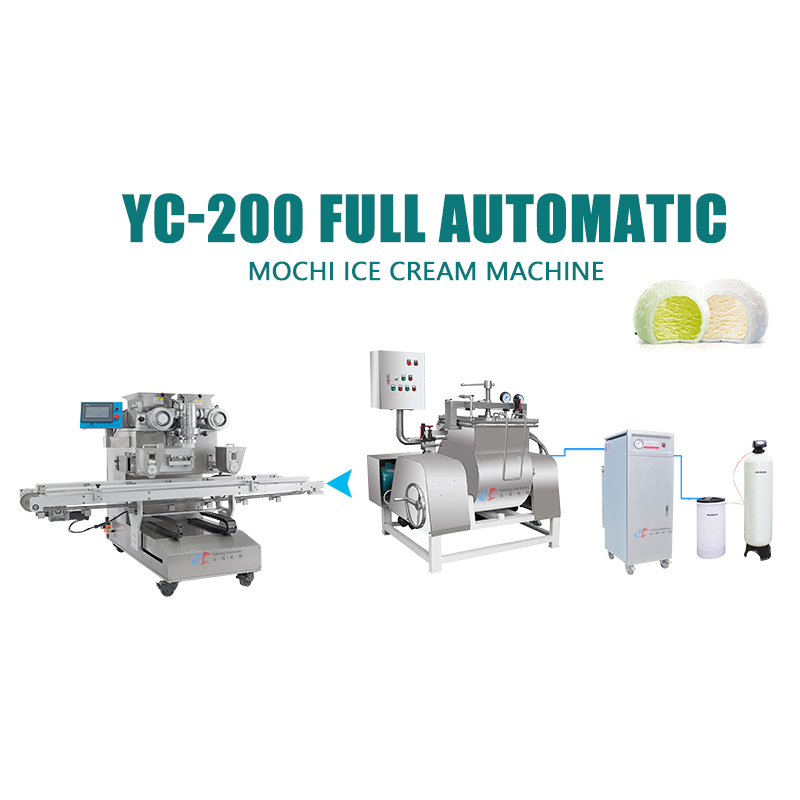
How does a mochi ice cream machine work in 2025?

The modern mochi ice cream machine has revolutionized dessert production in commercial kitchens worldwide, transforming a traditionally labor-intensive process into an efficient automated system. These sophisticated machines combine precision enginee...
View More
How does a date bar machine actually work in 2025?

21

Jan

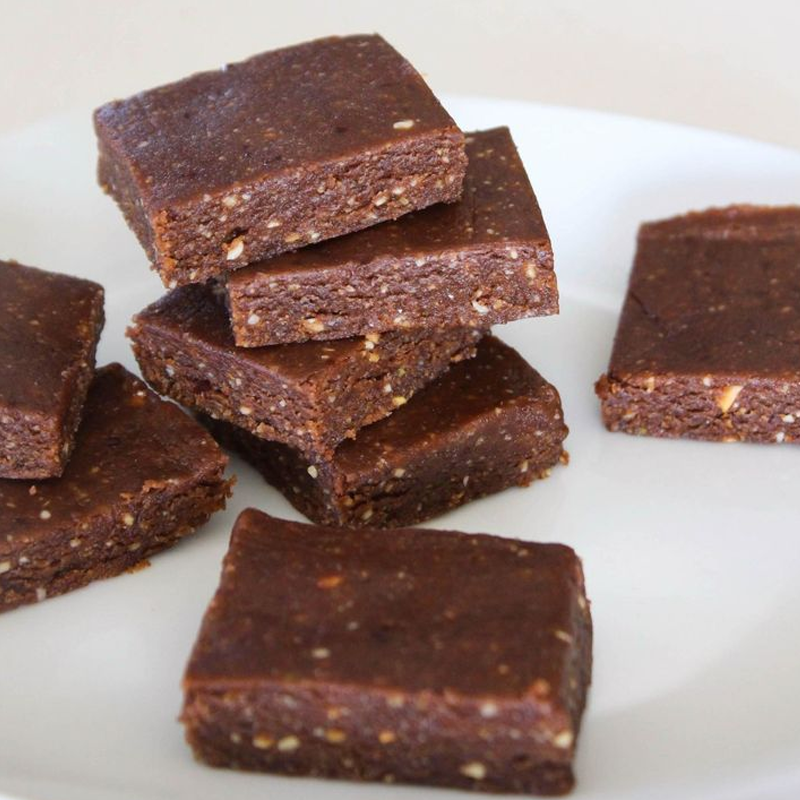
How does a date bar machine actually work in 2025?

The modern food manufacturing landscape has witnessed remarkable technological advancements, particularly in automated equipment designed for healthy snack production. Understanding how a date bar machine operates in 2025 requires examining sophistic...
View More

Get a Free Quote

Our representative will contact you soon.
Email
Name
Company Name
Message
0/1000

biscuit extruder

Advanced Precision Control Technology

Advanced Precision Control Technology

The biscuit extruder incorporates state-of-the-art precision control technology that revolutionizes traditional biscuit manufacturing through intelligent automation and real-time parameter monitoring. This sophisticated system utilizes advanced sensors and computerized controls to maintain exact temperature, pressure, and speed parameters throughout the entire production process, ensuring consistent product quality that exceeds industry standards. The precision control technology within the biscuit extruder continuously monitors dough consistency and automatically adjusts operational variables to compensate for ingredient variations or environmental changes that could affect final product characteristics. Manufacturers benefit from programmable recipe storage capabilities that allow quick switching between different product formulations without manual recalibration, significantly reducing setup times and eliminating human error possibilities. The intelligent control system provides real-time feedback on production parameters, enabling operators to identify potential issues before they impact product quality or cause equipment damage. Advanced data logging features record comprehensive production information that supports quality assurance protocols and regulatory compliance requirements essential for commercial food manufacturing operations. The precision control technology integrated into the biscuit extruder enables micro-adjustments to forming pressure that accommodate different dough viscosities and ingredient compositions, ensuring optimal results across diverse product ranges. Temperature control accuracy within fractions of a degree prevents ingredient degradation while maintaining ideal processing conditions that preserve nutritional content and enhance final product texture. Variable speed controls allow manufacturers to optimize production rates based on specific product requirements, energy consumption considerations, and market demand fluctuations. The sophisticated monitoring system alerts operators to maintenance requirements before critical components reach failure points, minimizing unexpected downtime and extending equipment lifespan. This advanced technology transforms the biscuit extruder into an intelligent manufacturing solution that adapts to production challenges while maintaining consistent output quality that strengthens brand reputation and customer satisfaction.
Exceptional Versatility and Customization Options

Exceptional Versatility and Customization Options

The biscuit extruder demonstrates remarkable versatility through its comprehensive customization options that enable manufacturers to produce an extensive range of biscuit varieties using a single piece of equipment. This adaptability stems from interchangeable die systems that create different shapes, sizes, and surface textures without requiring separate machinery for each product variant. The modular design philosophy behind modern biscuit extruder construction allows operators to modify processing parameters for countless recipe formulations, accommodating everything from delicate crackers to dense protein bars with equal effectiveness. Customization capabilities extend to ingredient handling systems that process various raw material types including nuts, seeds, dried fruits, and specialty flours that require different mixing approaches and forming techniques. The biscuit extruder accommodates both hot and cold processing methods, enabling manufacturers to optimize production techniques based on specific ingredient characteristics and desired final product attributes. Texture modification features allow precise control over surface patterns, thickness variations, and density distributions that create unique product differentiation opportunities in competitive markets. The equipment supports multi-layer product formation where different ingredients can be combined or layered during the extrusion process, enabling complex product designs that would be impossible with traditional forming methods. Portion size flexibility ranges from miniature bite-sized pieces to large format biscuits, with accurate weight control that ensures consistent sizing across entire production runs. The biscuit extruder easily integrates with supplementary processing equipment including coating systems, topping applicators, and packaging machinery to create comprehensive production lines tailored to specific manufacturing requirements. Recipe development becomes streamlined through the equipment's ability to test small batches without full-scale production commitments, allowing manufacturers to perfect formulations before large-volume manufacturing begins. This versatility enables businesses to respond quickly to market trends, seasonal demands, and customer preferences without substantial capital investments in additional equipment, making the biscuit extruder an invaluable asset for dynamic food manufacturing operations.

Superior Production Efficiency and Cost Optimization

Superior Production Efficiency and Cost Optimization

The biscuit extruder delivers superior production efficiency that fundamentally transforms manufacturing economics through reduced operational costs and enhanced output capabilities that significantly improve business profitability. This efficiency advantage emerges from continuous production capabilities that eliminate the start-stop cycles inherent in batch processing methods, enabling manufacturers to maintain steady output rates throughout extended operating periods. The streamlined workflow design minimizes material handling requirements and reduces labor needs, allowing smaller production teams to manage larger output volumes effectively. Energy optimization features within the biscuit extruder include variable frequency drives and efficient heating systems that reduce power consumption while maintaining optimal processing conditions, directly impacting operational expenses and environmental sustainability goals. The equipment's high-speed processing capabilities enable rapid product changeovers between different formulations, minimizing downtime and maximizing productive utilization of manufacturing resources. Automated cleaning cycles reduce sanitization time and labor requirements while ensuring compliance with food safety standards, enabling faster transitions between production runs and increased daily output capacity. The biscuit extruder minimizes ingredient waste through precise portion control and efficient mixing processes that utilize raw materials completely without generating excess scraps or rejected products. Quality consistency achieved through automated processing eliminates costly rework cycles and reduces customer complaints that can damage brand reputation and require expensive corrective actions. Predictive maintenance capabilities built into modern biscuit extruder systems reduce unexpected equipment failures and extend component lifecycles, lowering overall maintenance costs and improving production scheduling reliability. The equipment's compact design requires less floor space compared to traditional processing lines, reducing facility costs and enabling efficient plant layouts that optimize workflow patterns. Integration capabilities allow the biscuit extruder to connect with existing production management systems, providing real-time performance data that supports continuous improvement initiatives and operational optimization strategies. Return on investment typically occurs within the first year of operation due to combined savings from reduced labor costs, improved material utilization, enhanced product quality, and increased production capacity that enables manufacturers to capture additional market opportunities.
Inquiry Inquiry Email Email Youtube Youtube Tiktok Tiktok TopTop

Get a Free Quote

Our representative will contact you soon.
Email
Name
Company Name
Message
0/1000