ticari pasta yapma makinesi
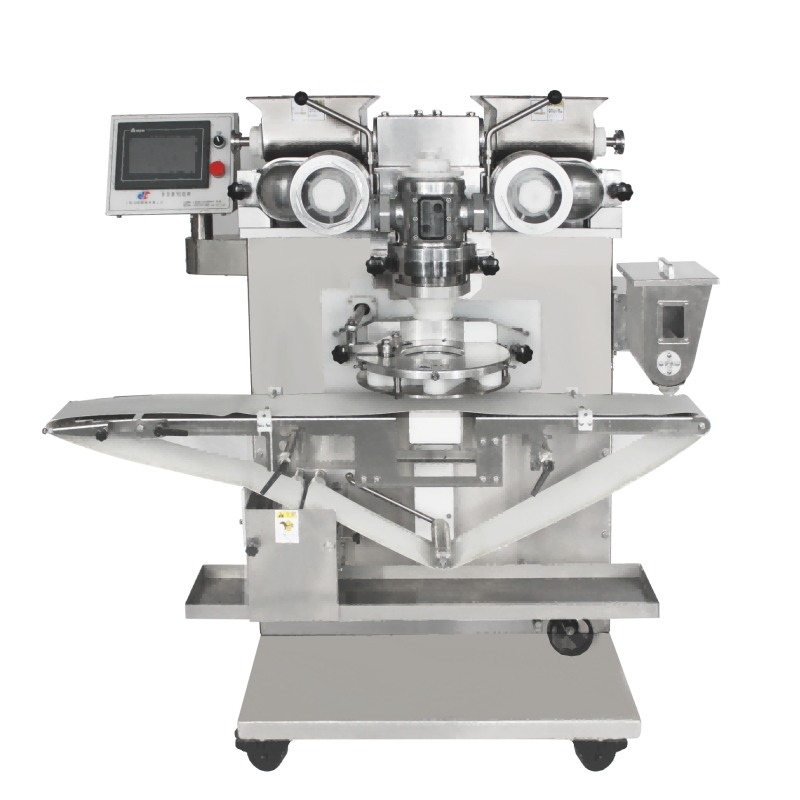
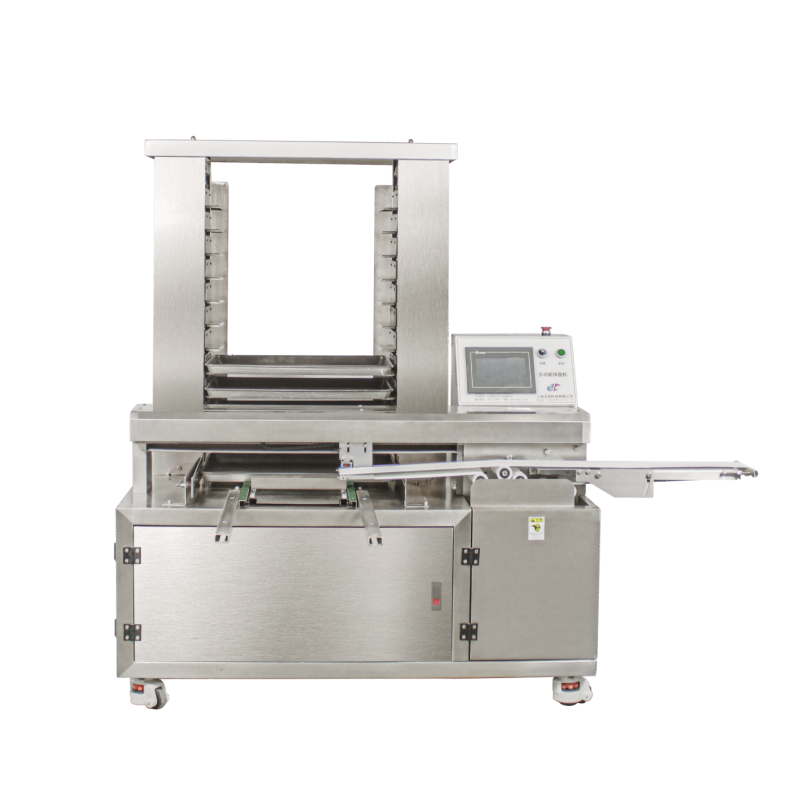
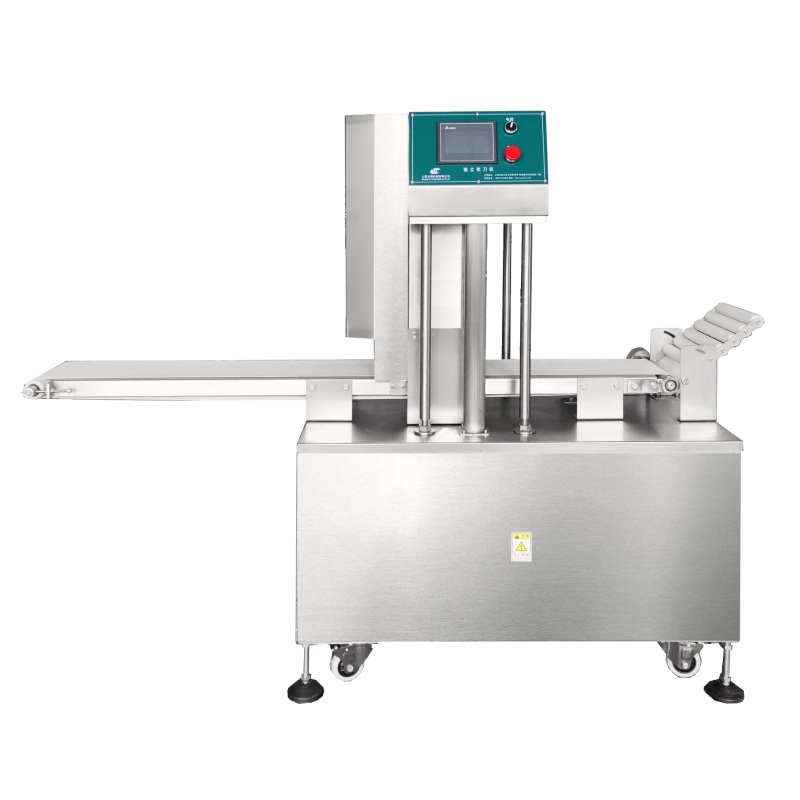
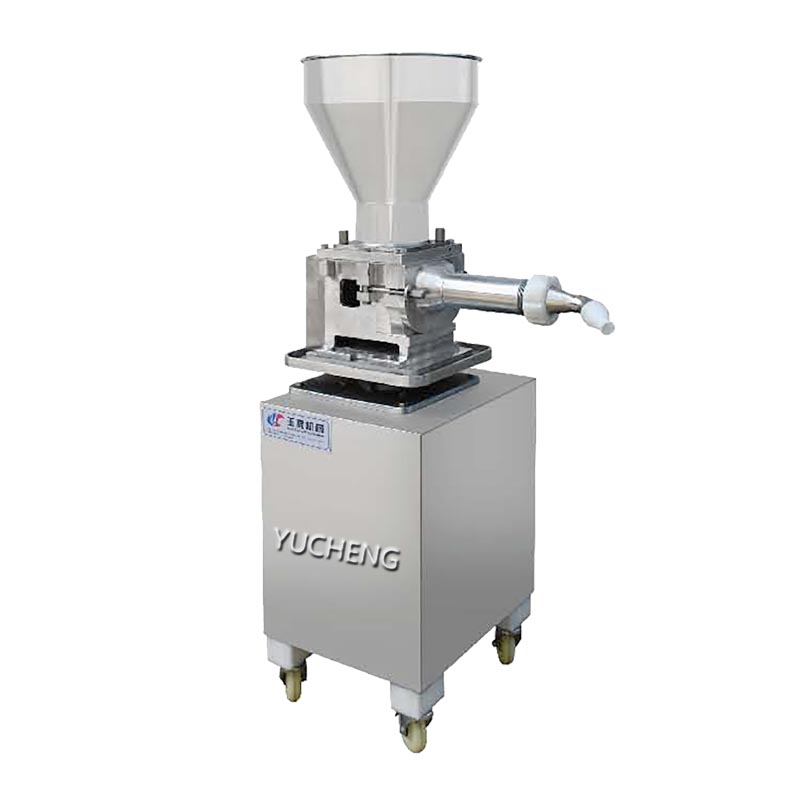
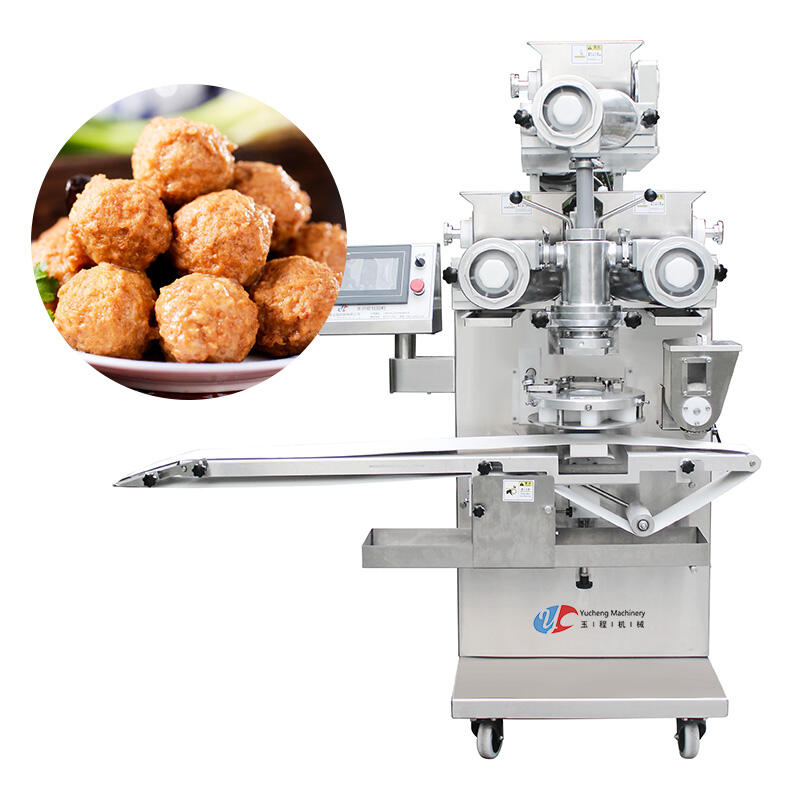
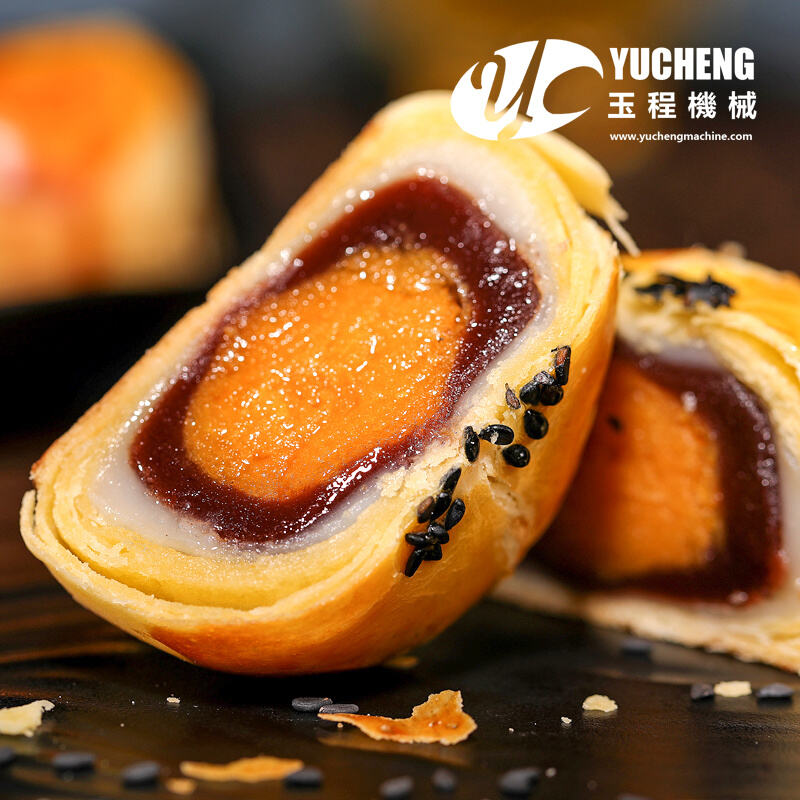
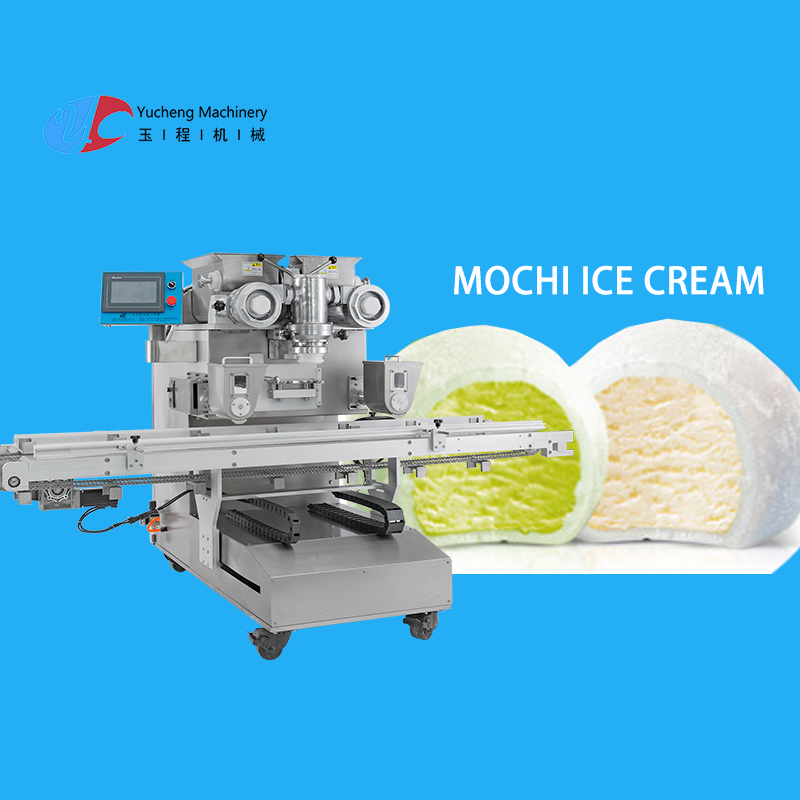
Ticari pasta yapım makinesi, çeşitli pastalar, kroasanlar, puff pasta ve katmanlı hamurların üretimini olağanüstü hassasiyet ve tutarlılıkla kolaylaştırmak amacıyla tasarlanmış, modern fırıncılık işlemlerinde devrim niteliğinde bir ilerlemedir. Bu gelişmiş ekipman, ticari fırınlar, restoranlar, oteller ve gıda hizmeti kuruluşlarının yüksek taleplerini karşılayacak profesyonel düzeyde sonuçlar elde etmek için son teknolojiyi sağlam mühendislikle birleştirir. Ticari pasta yapım makinesi, programlanabilir kontrol sistemleri, sıcaklık düzenleme mekanizmaları ve değişken hız ayarları gibi çoklu teknolojik özelliklere sahiptir; bu özellikler, farklı pasta türleri için optimal hamur işleme süreçlerini sağlar. Bu makineler genellikle yoğun günlük operasyonlarda kullanılabilmesi için dayanıklılığı ve hijyen uyumunu artıran paslanmaz çelikten üretilir. Ana işlevleri, tek bir kompakt ünite içinde entegre edilmiş olan hamur karıştırma, yoğurma, katmanlama ve şekillendirme süreçlerini kapsar; bu da verimliliği maksimize ederken iş gücü gereksinimini en aza indirir. Gelişmiş modeller, dijital ekranlar, çeşitli pasta türleri için önceden ayarlanmış programlar ve pasta yapım sürecinden tahmin yürütme ihtiyacını ortadan kaldıran otomatik zamanlama kontrolleri içerir. Ticari pasta yapım makinelerinin uygulama alanları, el yapımı kroasanlar üreten sanatsal fırınlar ile danimarka pastaları, dolgulu pastalar ve özel ürünler gibi tutarlı çıktı gerektiren büyük ölçekli operasyonlara kadar çeşitli gıda hizmeti sektörlerini kapsar. Bu makineler, küçük partiler halinde üretim yapan butik işletmeler için küçük kapasiteli modellerden saatte yüzlerce pasta üretebilen yüksek hacimli ünitelere kadar değişen üretim hacimlerine uyum sağlar. Teknolojik entegrasyon, acil durdurma mekanizmaları, koruyucu kalkanlar ve aşırı yük koruma sistemleri gibi operatör güvenliğini sürekli çalıştırma sırasında sağlayan güvenlik özellikleri de içerir. Modern ticari pasta yapım makineleri, uzun süreli üretim döngüleri boyunca üstün performans standartlarını korurken işletme maliyetlerini azaltan enerji verimli motorlar ve optimize edilmiş enerji tüketimi özelliklerine sahiptir.
 EN
EN