Integrated Automation Systems Streamline Complete Production Workflow
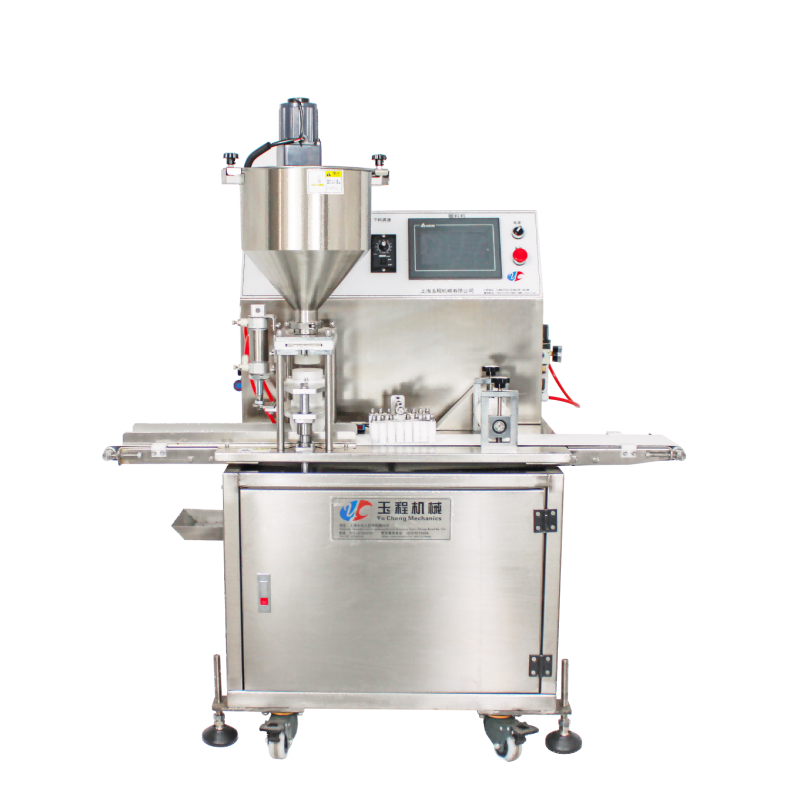
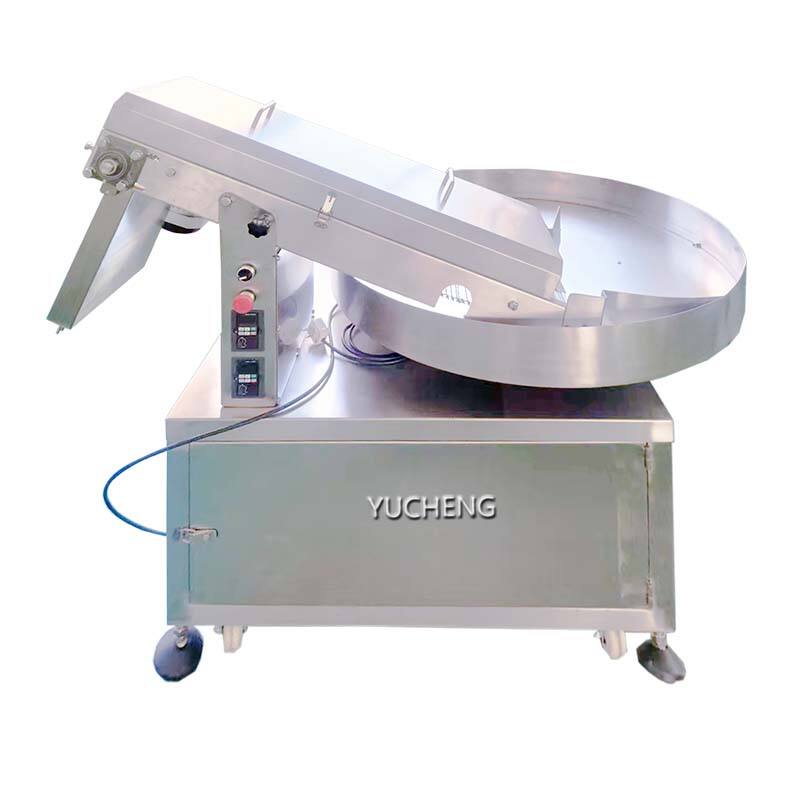
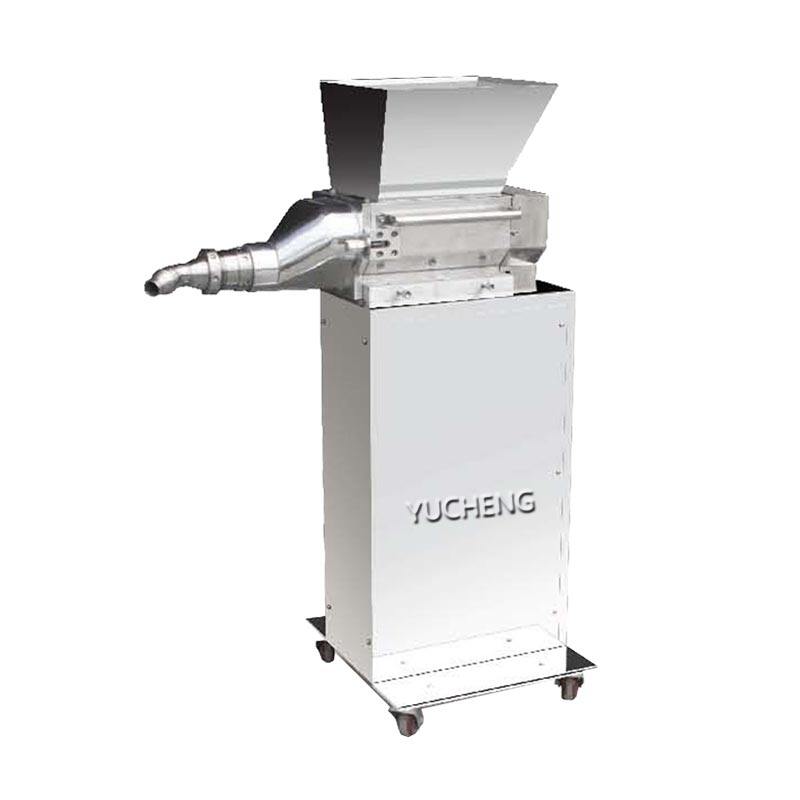
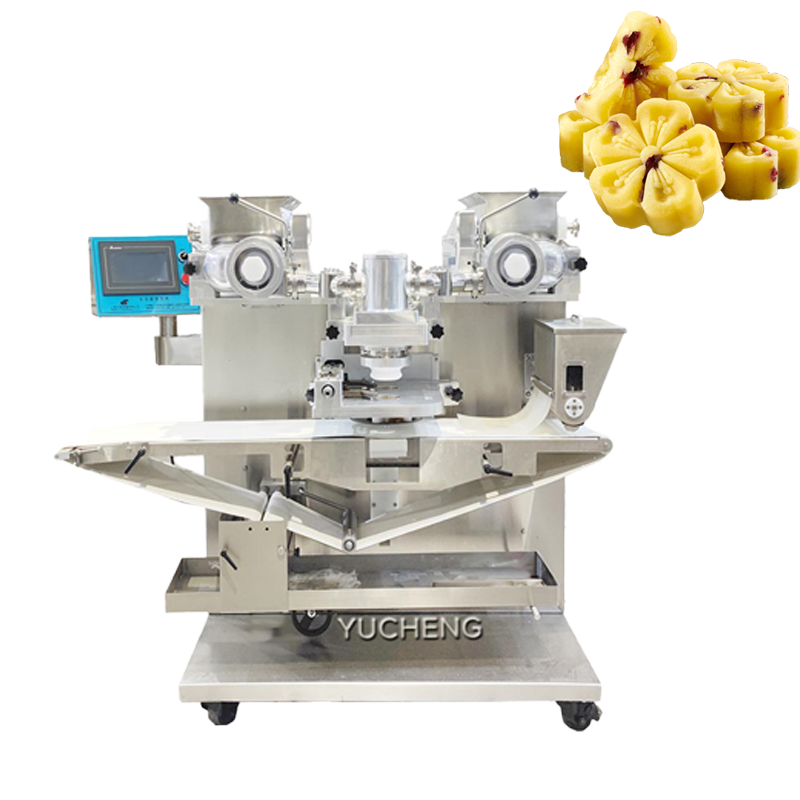
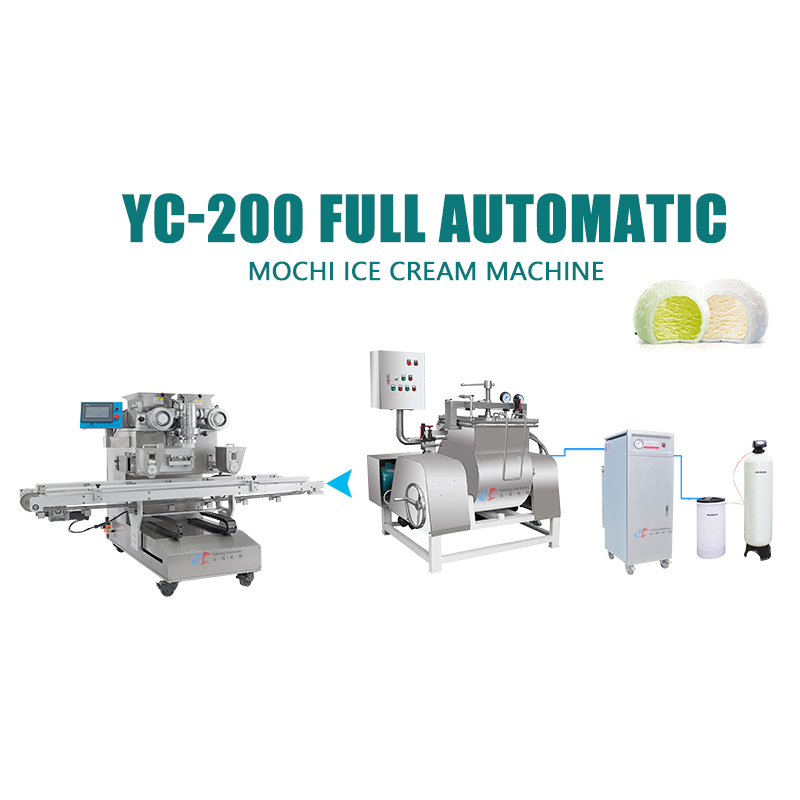
The commercial cookie press machine incorporates comprehensive automation systems that revolutionize cookie production by seamlessly integrating with existing bakery workflows while eliminating manual bottlenecks throughout the manufacturing process. This sophisticated automation encompasses everything from dough feeding mechanisms to finished product handling, creating a continuous production line that maximizes efficiency while maintaining exceptional quality standards. The automated feeding system ensures consistent dough supply to the pressing mechanism, utilizing sensors that monitor hopper levels and alert operators when refilling becomes necessary, preventing production interruptions that could affect delivery schedules. Programmable logic controllers coordinate all machine functions, allowing operators to establish complete production recipes that include pressing parameters, timing sequences, and quality checkpoints, then execute these programs with single-button simplicity. The integration capabilities extend to connecting with conveyor systems, automated baking equipment, and packaging machinery, creating a fully automated cookie production line that requires minimal human intervention. Quality monitoring sensors continuously evaluate cookie dimensions, weight consistency, and formation quality, automatically flagging any products that fall outside established tolerances for immediate correction or removal. Data logging capabilities track production metrics, ingredient usage, and equipment performance, providing valuable insights for optimizing operations and predicting maintenance requirements. The automation systems include fault diagnostics that identify potential issues before they cause production failures, displaying clear troubleshooting guidance that enables rapid resolution by plant personnel. Remote monitoring capabilities allow supervisors to oversee multiple production lines simultaneously while receiving instant notifications of any operational anomalies. The system accommodates various production schedules from small batch specialty runs to continuous high-volume production, automatically adjusting parameters to match specific requirements. Energy management features optimize power consumption by coordinating equipment startup sequences and implementing sleep modes during idle periods, contributing to sustainability goals while reducing operational costs. Training requirements decrease significantly as the automated systems guide operators through standard procedures while preventing common operational errors that might compromise product quality or equipment safety.