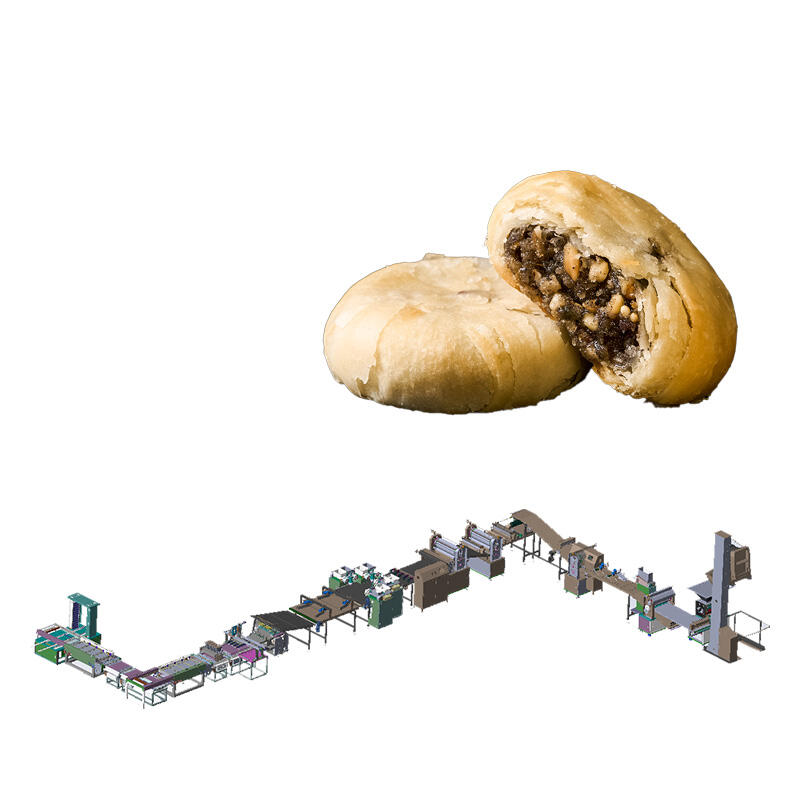
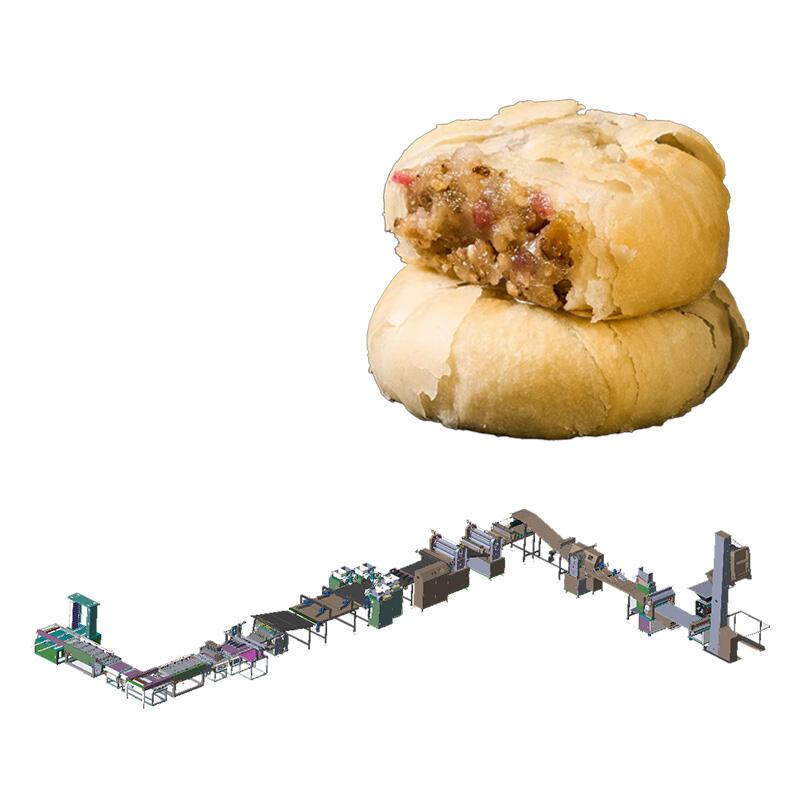
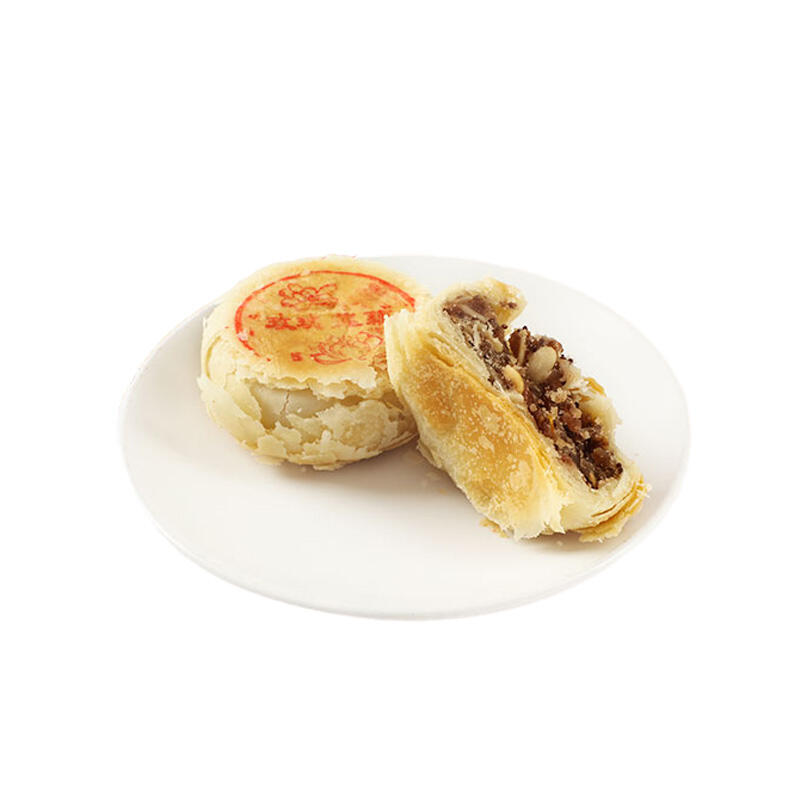
Professional Pastry Sheet Making Machine - Commercial Dough Processing Equipment

Get a Free Quote

Our representative will contact you soon.
Email
Name
Company Name
Message
0/1000

pastry sheet making machine

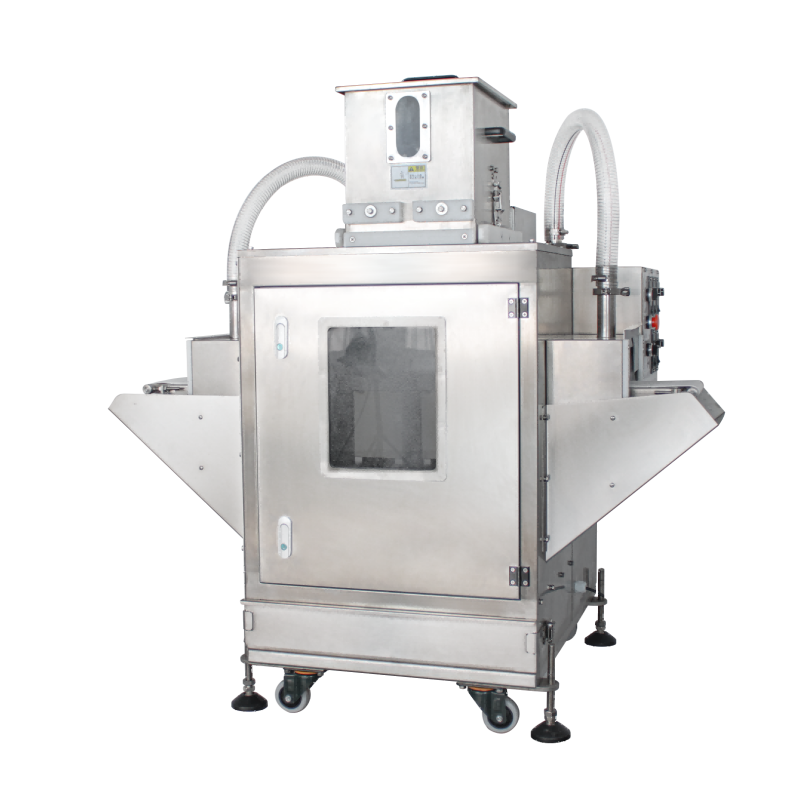
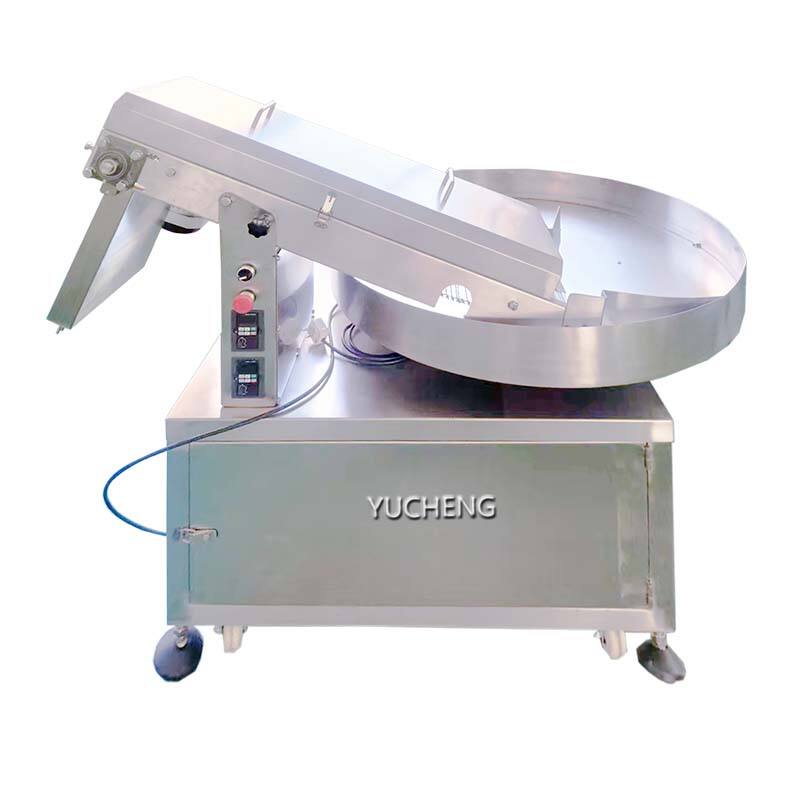
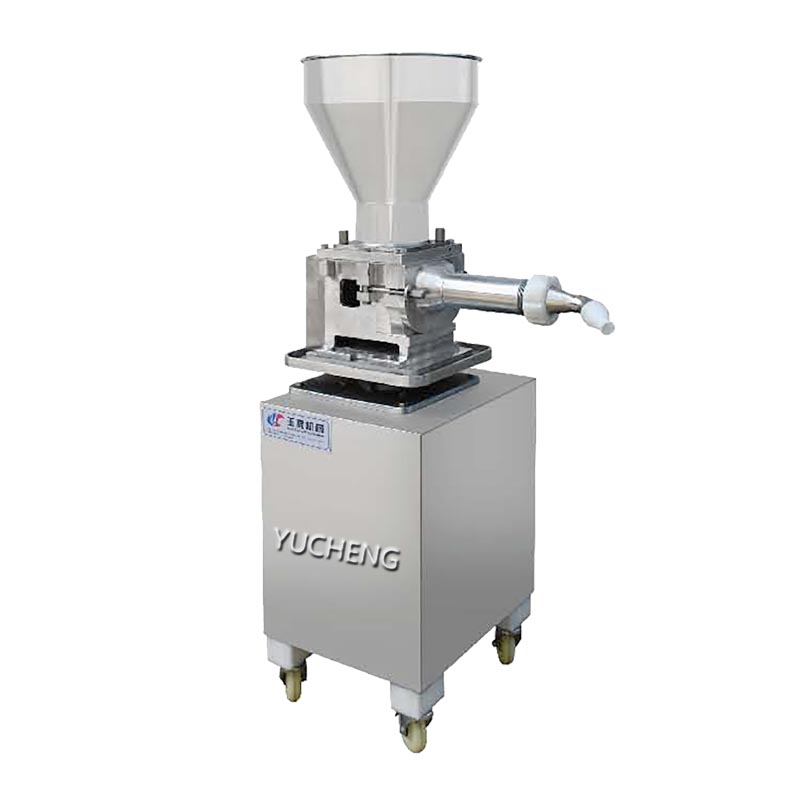
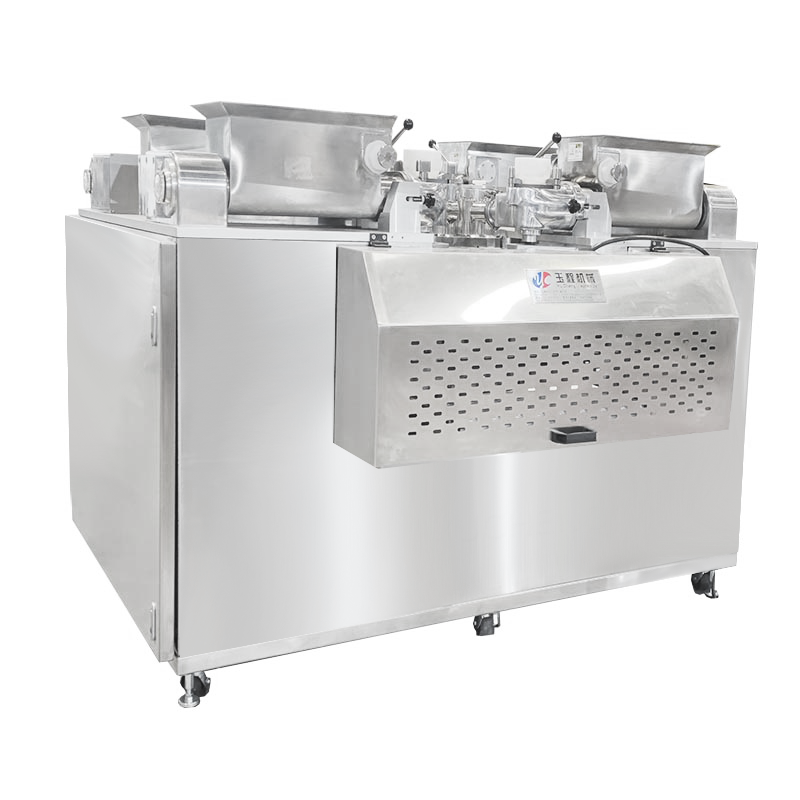
A pastry sheet making machine represents a revolutionary advancement in commercial food production equipment, designed to streamline and enhance the creation of consistent, high-quality pastry sheets for bakeries, restaurants, and food manufacturing facilities. This sophisticated equipment transforms the traditional manual process of rolling and shaping pastry dough into an automated, precision-controlled operation that delivers uniform results every time. The pastry sheet making machine incorporates advanced mechanical systems that handle various types of dough, from delicate phyllo pastry to robust puff pastry preparations. The core functionality centers around automated dough feeding mechanisms, precise rolling systems, and controlled thickness adjustment capabilities that ensure each pastry sheet meets exact specifications. Modern pastry sheet making machines feature stainless steel construction for optimal hygiene standards and durability in commercial environments. The technological framework includes variable speed controls, adjustable pressure settings, and programmable thickness parameters that accommodate diverse pastry requirements. These machines typically integrate conveyor belt systems for continuous production flow, allowing operators to maintain steady output rates while minimizing manual intervention. Temperature control systems prevent dough from becoming too warm during processing, preserving texture and workability. Safety features include emergency stop mechanisms, protective guards, and user-friendly control panels that reduce operator training requirements. The versatility of pastry sheet making machines extends to handling different dough consistencies and producing various sheet dimensions, making them essential tools for establishments requiring reliable pastry production capabilities. Production capacity varies from compact units suitable for smaller operations to industrial-scale machines capable of processing hundreds of sheets per hour, ensuring scalability for different business sizes and production demands.

Popular Products

The pastry sheet making machine delivers transformative benefits that revolutionize commercial pastry production workflows and operational efficiency. Production speed increases dramatically compared to manual methods, with modern machines capable of producing consistent sheets at rates up to ten times faster than traditional hand-rolling techniques. This acceleration directly translates to enhanced productivity and reduced labor costs, allowing businesses to allocate human resources to more specialized tasks while maintaining superior output quality. Consistency represents another paramount advantage, as the pastry sheet making machine eliminates variations in thickness, texture, and dimensions that commonly occur with manual preparation methods. Each sheet emerges with identical specifications, ensuring uniform baking results and professional presentation standards that enhance product quality and customer satisfaction. Cost reduction occurs through multiple channels, including decreased ingredient waste due to precise measurements and controlled processing, reduced labor expenses from automated operations, and improved energy efficiency compared to traditional ovens running continuously for manual dough preparation. The machine minimizes physical strain on workers, reducing workplace injuries and associated costs while creating safer working conditions. Quality control becomes more manageable through standardized processes that maintain consistent dough temperature, prevent overworking, and preserve optimal texture characteristics. Flexibility in production scheduling allows operators to adjust output based on demand fluctuations without compromising quality or requiring additional staffing. The pastry sheet making machine enables businesses to expand their product offerings by facilitating the creation of complex layered pastries that would be time-prohibitive using manual methods. Maintenance requirements remain minimal with proper care, ensuring reliable operation and extended equipment lifespan. Training requirements are significantly reduced compared to developing skilled manual pastry preparation techniques, allowing new employees to operate the machine effectively with basic instruction. Overall operational efficiency improves through reduced setup times, faster cleanup procedures, and streamlined production workflows that optimize kitchen space utilization and enhance overall productivity metrics.

Latest News

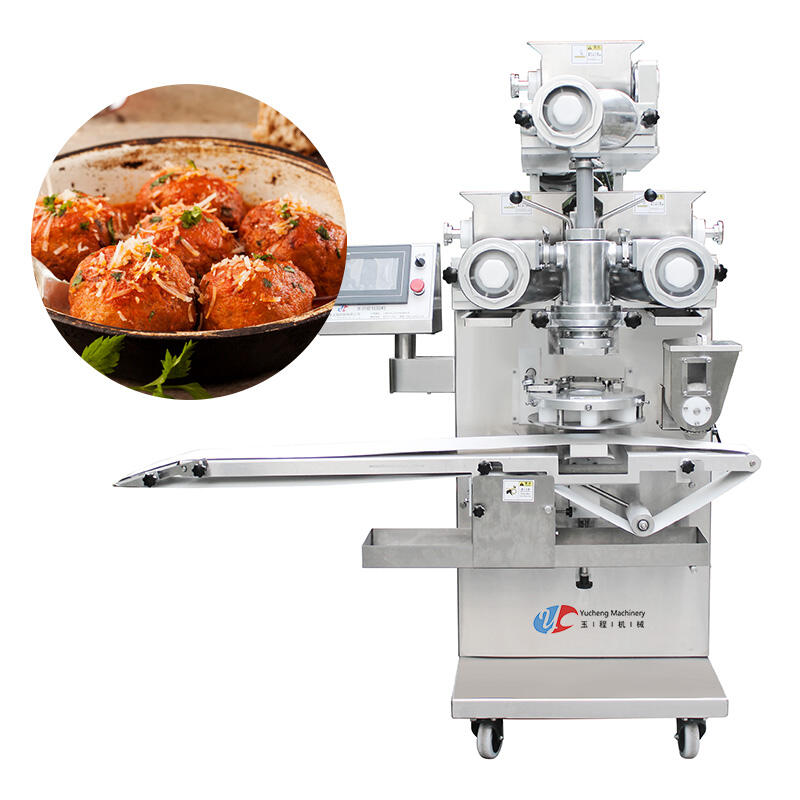
Top Benefits of Adding a Meatball Machine to Your Food Business

21

Oct

Top Benefits of Adding a Meatball Machine to Your Food Business

Transform Your Food Operations with Advanced Meatball Production The food service industry is constantly evolving, and staying competitive means embracing innovative solutions that enhance efficiency and product quality. A meatball machine represents...
View More
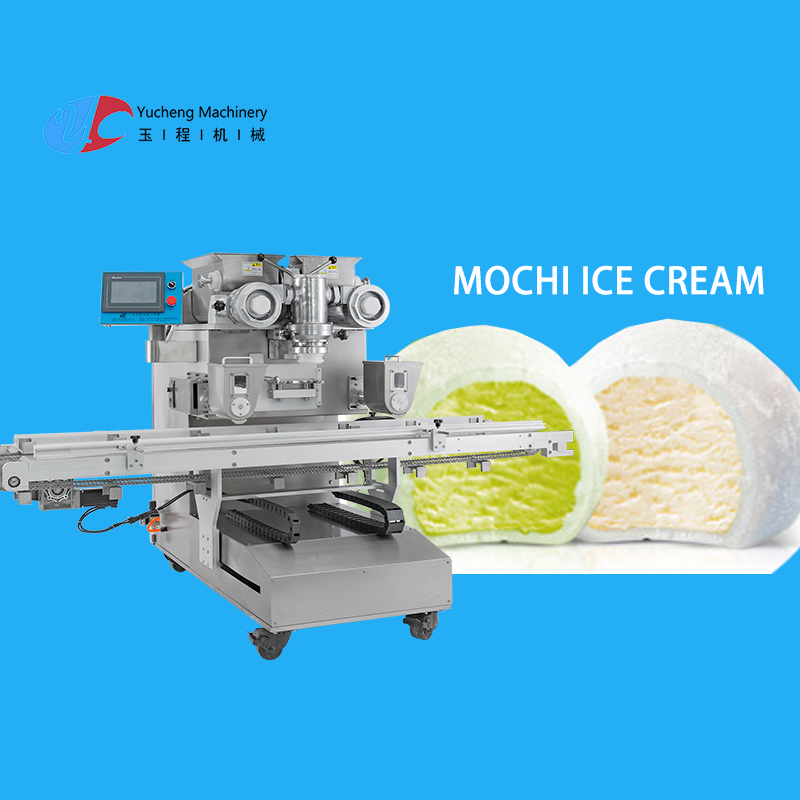
How to select the right mochi ice cream machine size?

23

Dec

How to select the right mochi ice cream machine size?

Selecting the appropriate mochi ice cream machine for your business requires careful consideration of multiple factors that directly impact production capacity, operational efficiency, and long-term profitability. The size of your mochi ice cream mac...
View More
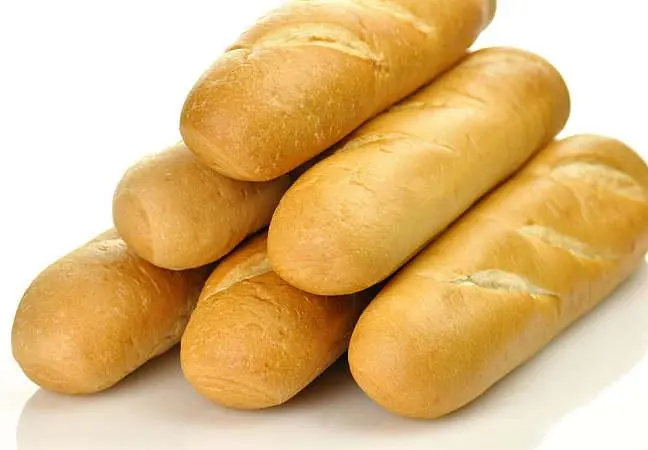
What makes bread making machines so popular today?

21

Jan

What makes bread making machines so popular today?

The surge in popularity of bread making machines has transformed modern kitchens and commercial bakeries worldwide. These innovative appliances have revolutionized how we approach bread production, offering unprecedented convenience and consistency t...
View More
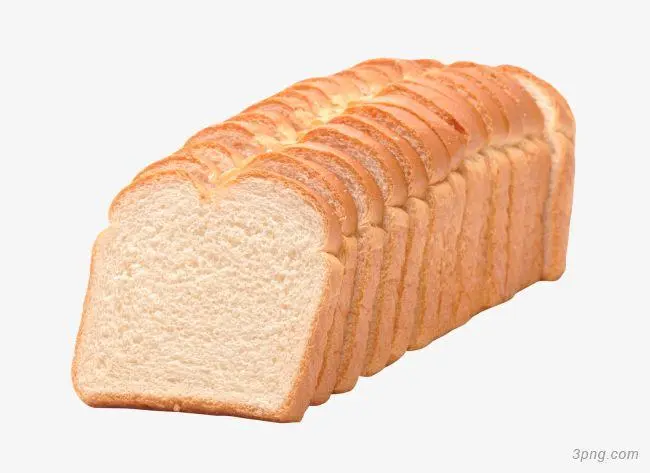
Why choose a bread making machine over hand baking?

21

Jan

Why choose a bread making machine over hand baking?

The art of bread making has evolved significantly with modern technology, leading many bakers to reconsider traditional hand baking methods. A bread making machine offers unprecedented convenience and consistency that appeals to both commercial baker...
View More

Get a Free Quote

Our representative will contact you soon.
Email
Name
Company Name
Message
0/1000

pastry sheet making machine

Precision Thickness Control Technology

Precision Thickness Control Technology

The precision thickness control technology integrated into modern pastry sheet making machines represents a breakthrough innovation that addresses one of the most critical challenges in commercial pastry production. This advanced system utilizes calibrated roller mechanisms combined with digital sensors that monitor and adjust sheet thickness in real-time, ensuring unprecedented consistency throughout the production process. The technology operates through sophisticated pressure regulation systems that automatically compensate for variations in dough density, humidity levels, and temperature fluctuations that traditionally caused thickness irregularities. Operators can program specific thickness parameters ranging from ultra-thin phyllo sheets measuring just 0.1 millimeters to robust pastry bases exceeding 5 millimeters, with accuracy maintained within tolerances of plus or minus 0.05 millimeters. This precision eliminates the guesswork associated with manual rolling techniques and prevents the common problems of uneven baking, inconsistent texture, and product waste that occur when sheets vary in thickness. The system incorporates feedback loops that continuously monitor production quality and make micro-adjustments to maintain optimal specifications without interrupting the production flow. For businesses producing delicate pastries like baklava or strudel, this technology ensures that each layer achieves the perfect translucent quality essential for authentic texture and appearance. Puff pastry production benefits enormously from consistent thickness control, as uniform layers are crucial for achieving proper lamination and the desired flaky texture that customers expect. The economic impact of this precision extends beyond quality improvements to include significant cost savings through reduced waste, as inconsistent sheets often require reprocessing or disposal. Additionally, the technology enables businesses to meet strict quality standards required by large-scale retail contracts and institutional customers who demand consistent product specifications. Training requirements for operators decrease substantially when precision thickness control eliminates the need for developing manual skills and sensory judgment traditionally required for achieving consistent results.
Multi-Dough Compatibility System

Multi-Dough Compatibility System

The multi-dough compatibility system represents a revolutionary approach to pastry production versatility, enabling a single pastry sheet making machine to handle diverse dough types with optimal results for each specific formulation. This comprehensive system incorporates adjustable parameters including pressure settings, roller speeds, temperature controls, and feeding mechanisms that adapt to the unique characteristics of different dough compositions. Traditional pastry production often required separate equipment for various dough types, creating inefficiencies and increased capital investment requirements for businesses seeking to diversify their product offerings. The compatibility system addresses this challenge through intelligent programming capabilities that store optimal settings for different dough varieties, allowing operators to switch between phyllo dough, puff pastry, shortcrust pastry, and specialized ethnic pastries with simple control panel adjustments. The technology recognizes the distinct requirements of high-fat content doughs that require gentle handling to prevent butter separation, while also accommodating lean doughs that benefit from more aggressive working to develop proper gluten structure. Sensor technology monitors dough consistency throughout the process, automatically adjusting parameters to maintain optimal processing conditions regardless of environmental factors such as ambient temperature or humidity variations. This adaptability proves especially valuable for businesses operating in climates with seasonal weather changes that traditionally affected pastry production consistency. The system handles everything from delicate tempura batters requiring minimal manipulation to dense empanada doughs that need substantial mechanical work to achieve proper texture. Each dough type benefits from customized processing protocols that preserve its unique characteristics while achieving uniform sheet formation. Businesses can expand their menu offerings without additional equipment investments, enabling them to respond quickly to market trends and customer preferences. The economic advantages include improved equipment utilization rates, reduced storage requirements for multiple machines, and simplified maintenance schedules. Training efficiency increases as operators learn one comprehensive system rather than multiple specialized machines, reducing onboarding time and improving operational flexibility during staff scheduling.
Automated Production Line Integration

Automated Production Line Integration

The automated production line integration capability of modern pastry sheet making machines transforms traditional bakery operations into streamlined manufacturing processes that maximize efficiency while maintaining artisanal quality standards. This sophisticated integration system connects seamlessly with upstream dough preparation equipment and downstream processing stations, creating continuous production flows that minimize handling requirements and reduce contamination risks. The integration begins with automated dough feeding systems that receive prepared dough from mixers or storage units, eliminating manual transfer requirements and maintaining consistent dough temperature throughout the process. Precise timing controls coordinate machine operations with other production line equipment, ensuring smooth workflow transitions that prevent bottlenecks and optimize overall line efficiency. The system incorporates conveyor mechanisms that transport finished pastry sheets directly to subsequent processing stations such as cutting units, filling applicators, or packaging equipment, creating a truly automated production environment. Quality monitoring sensors integrated throughout the line provide real-time feedback on production parameters, automatically flagging deviations and enabling immediate corrective actions that maintain consistent output quality. Data collection capabilities track production metrics including throughput rates, waste percentages, and quality indicators, providing valuable insights for operational optimization and predictive maintenance scheduling. The integration system accommodates varying production volumes through scalable configurations that can expand or contract based on demand fluctuations without requiring complete line reconfiguration. Safety protocols embedded within the integrated system include automatic shutdown procedures when irregularities are detected, protecting both product quality and operator safety. Environmental controls maintain optimal temperature and humidity conditions throughout the integrated production line, ensuring consistent pastry sheet quality regardless of external weather conditions. The economic benefits of automated integration include substantial labor cost reductions, improved product consistency that reduces waste and rework, and enhanced production capacity that enables businesses to pursue larger contracts and market opportunities. Maintenance efficiency improves through centralized monitoring systems that track equipment performance across the entire integrated line, enabling proactive maintenance scheduling and reducing unexpected downtime costs.
Inquiry Inquiry Email Email Youtube Youtube Tiktok Tiktok TopTop

Get a Free Quote

Our representative will contact you soon.
Email
Name
Company Name
Message
0/1000